Materials library
Made from things that grow
10 materials, and not one of them is plastic. Here is what each one is, where it comes from, and where it should go when your customer has finished with it.

Where should it go after use?
Choose a bin to see which materials and products can go in it.
 01
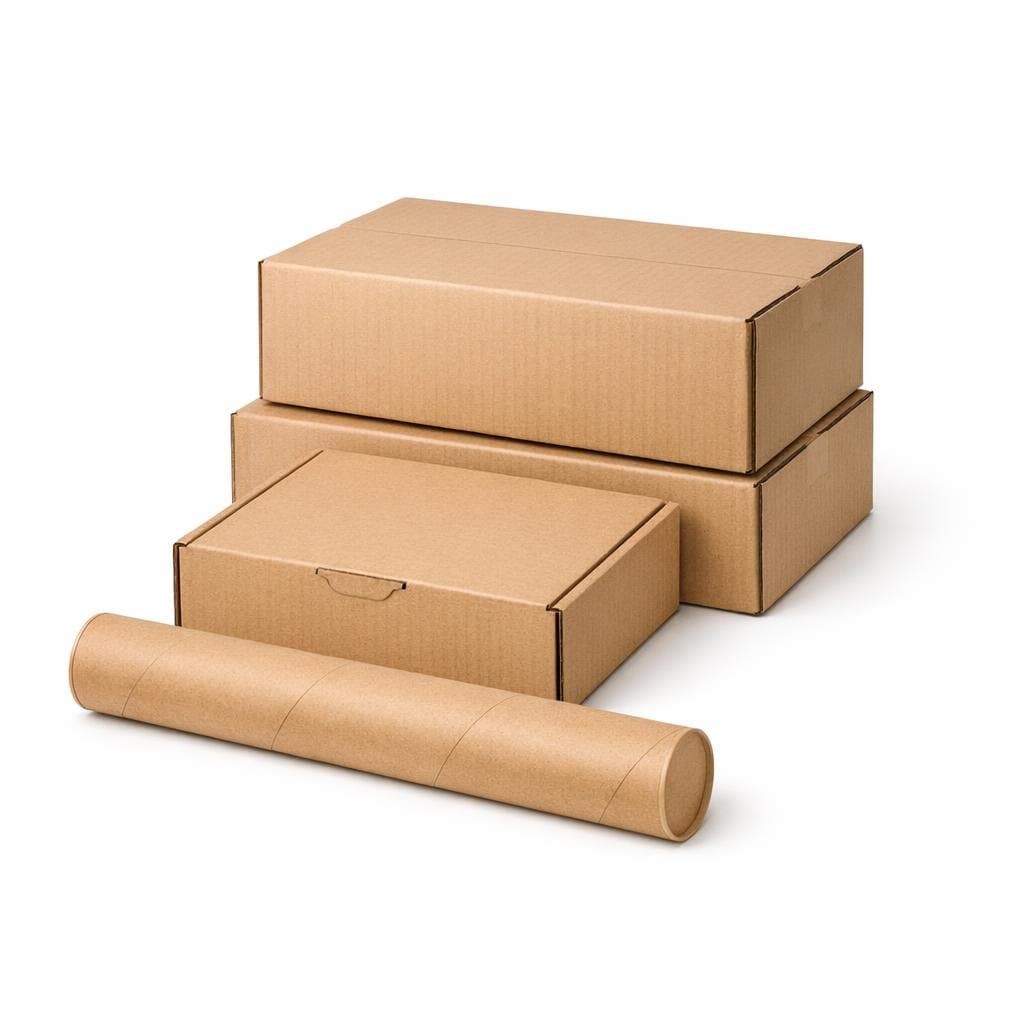
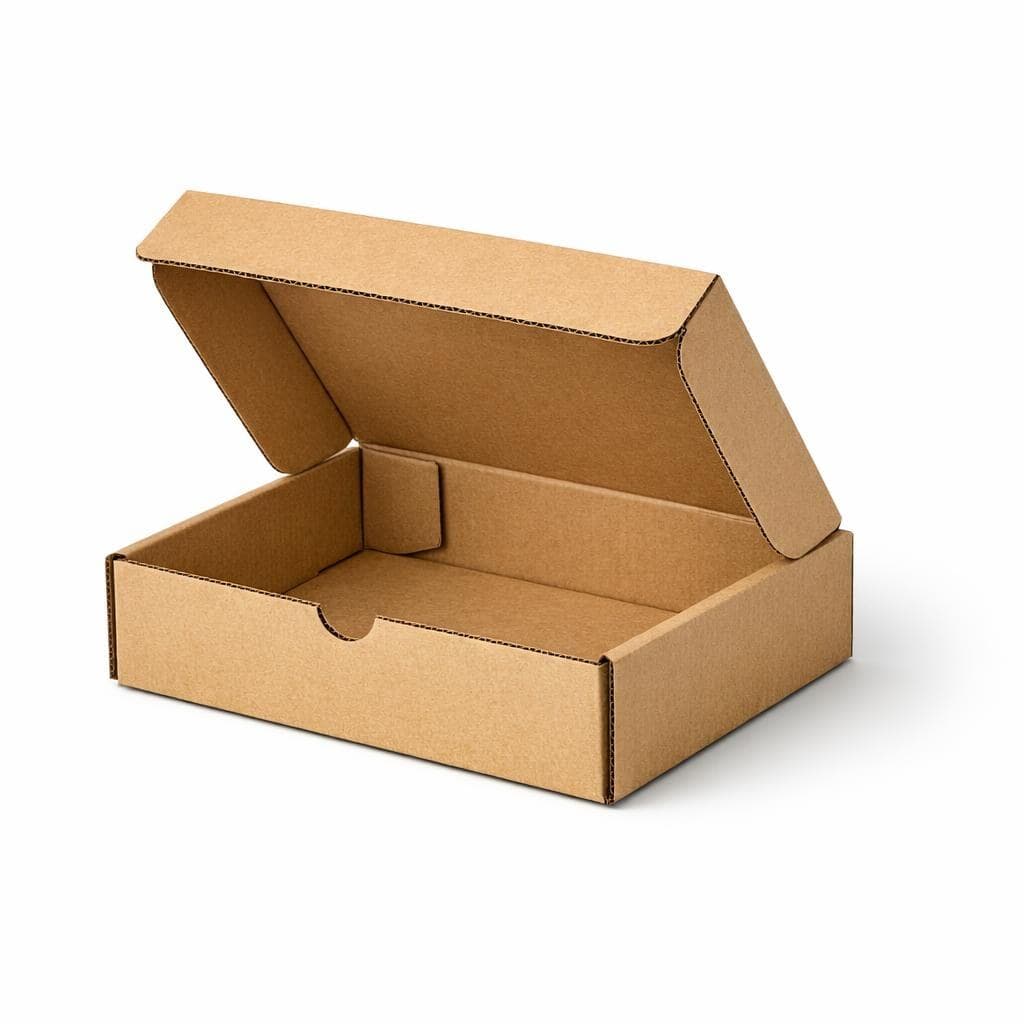
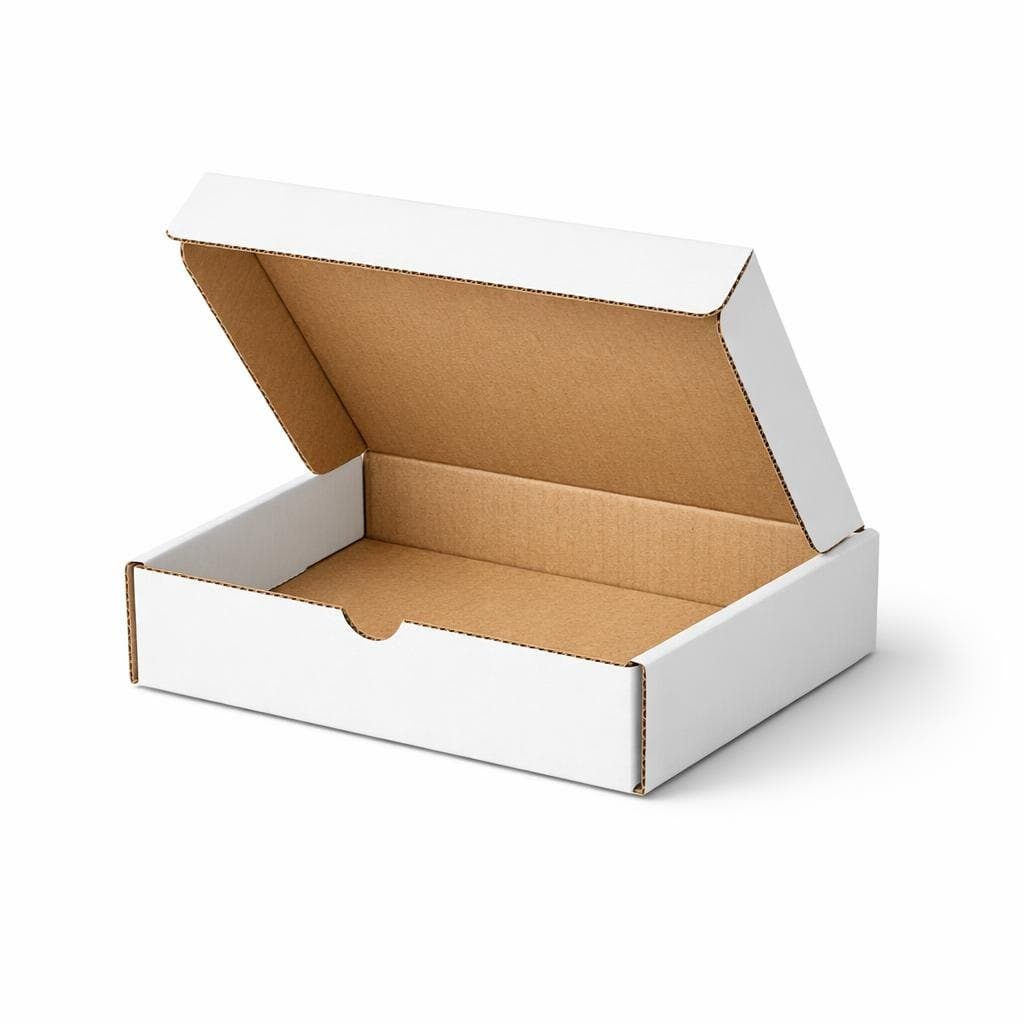
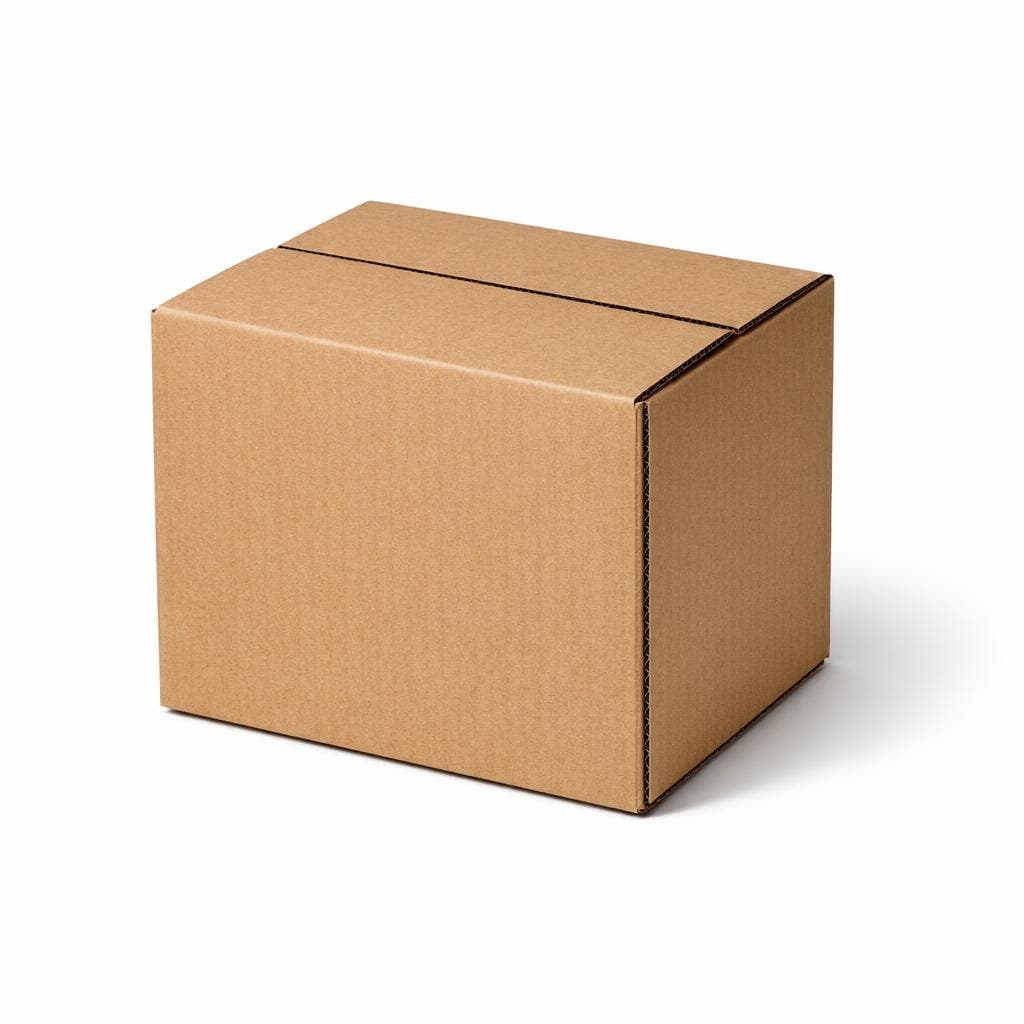
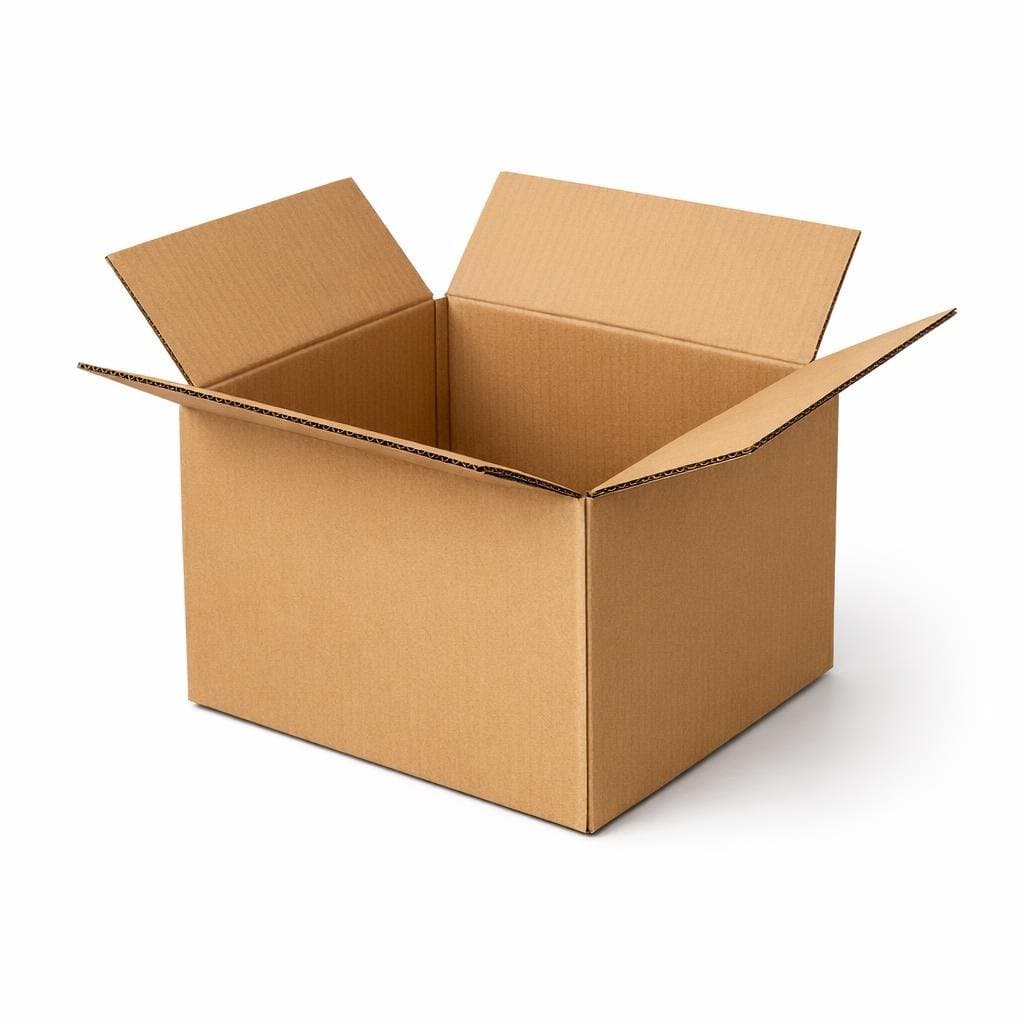
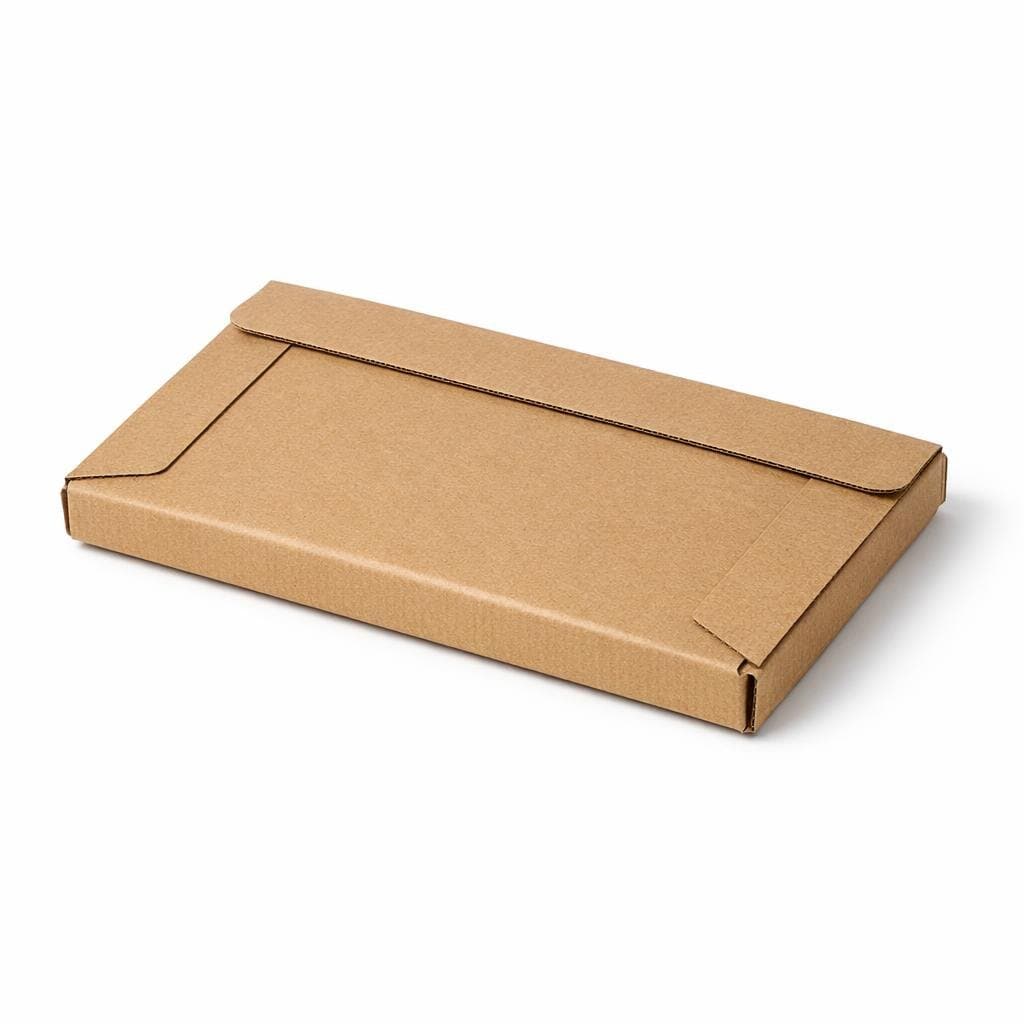
Corrugated board
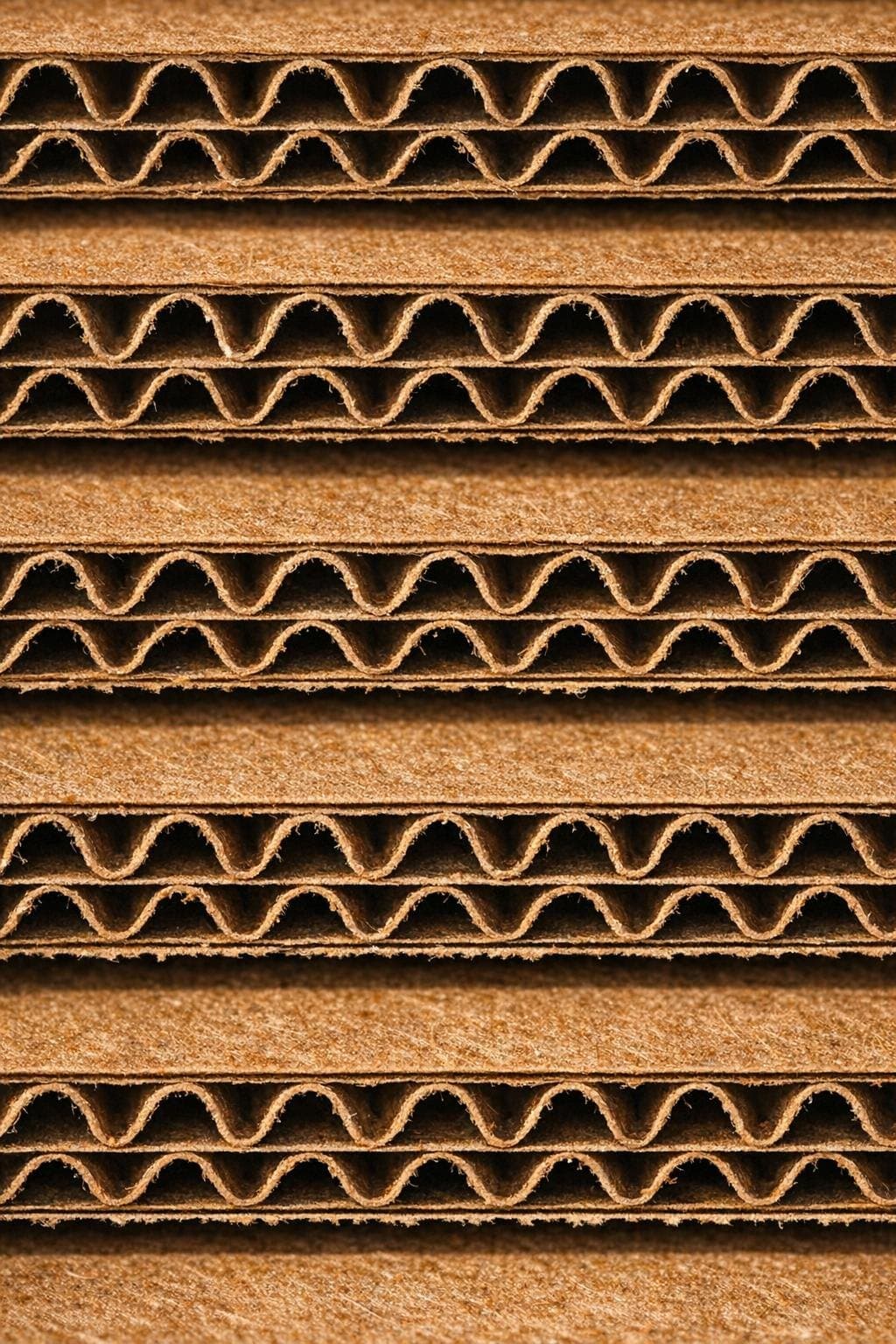
A fluted sheet glued between two liners: light, stiff and strong.
The arches in the fluting spread a load the way a bridge does. Fine E-flute (1.5 mm) takes crisp print, B-flute (3 mm) carries more weight, and double wall (7 mm) stacks on pallets.
- Made from
- Mostly recycled fibre, topped up with FSC-certified virgin fibre
- Used for
- Mailer boxes, shipping cartons, book wraps
- After use
- Collected for recycling by councils across the UK
- Kerbside recyclable
 02
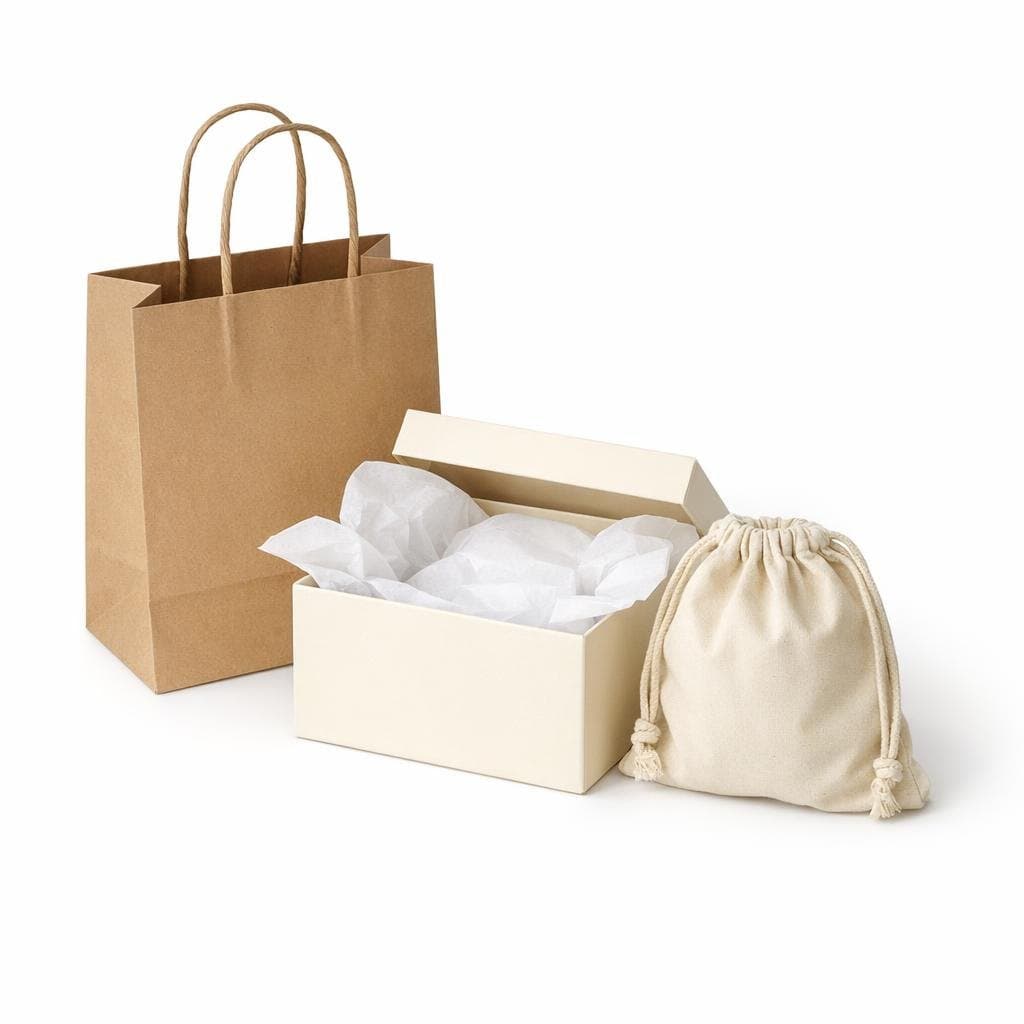
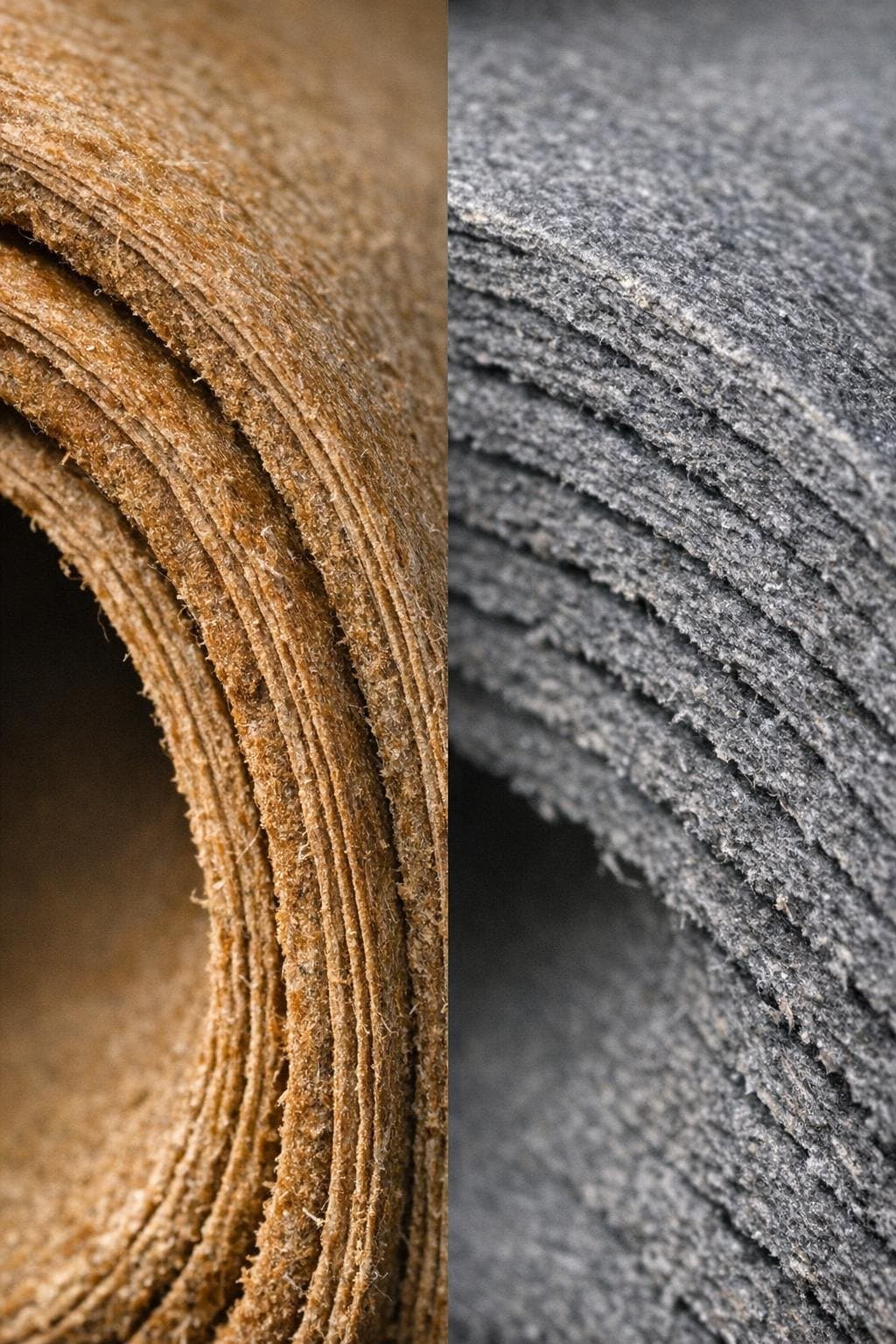
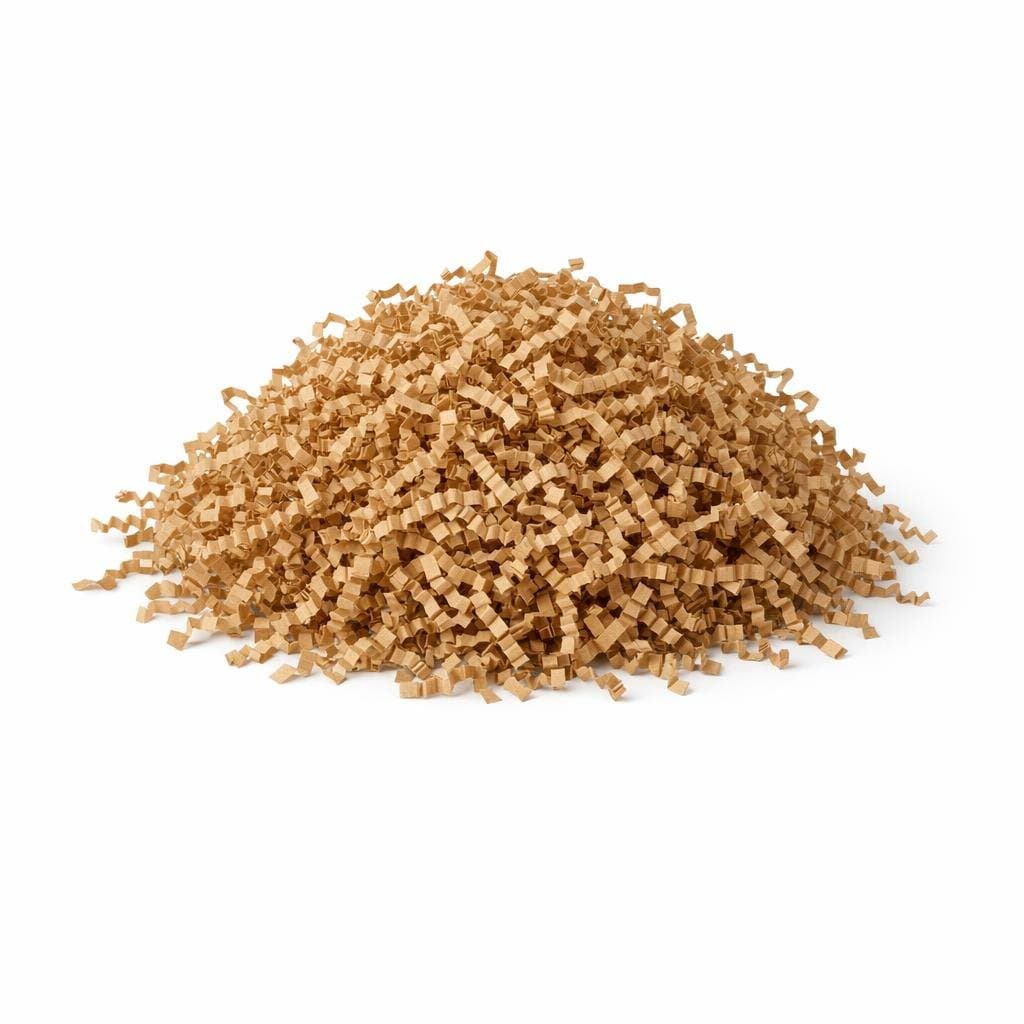
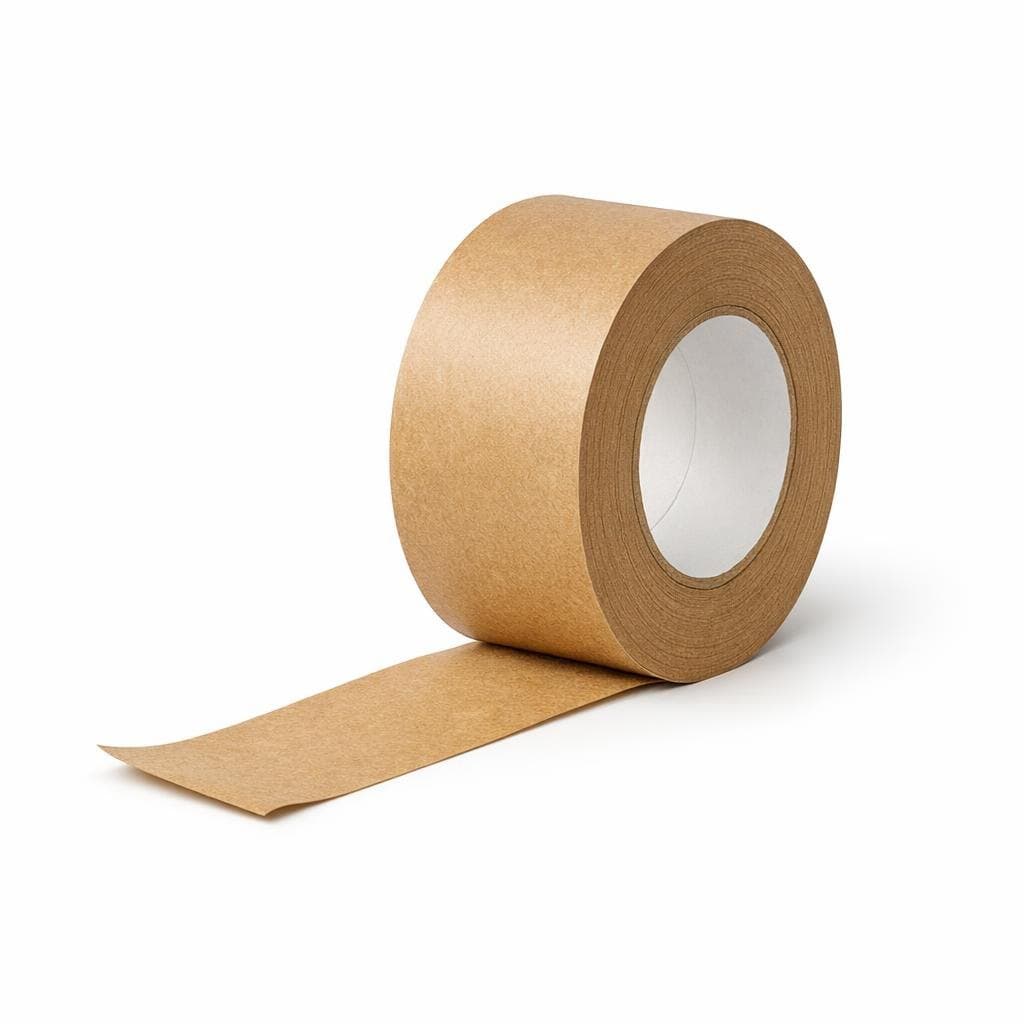
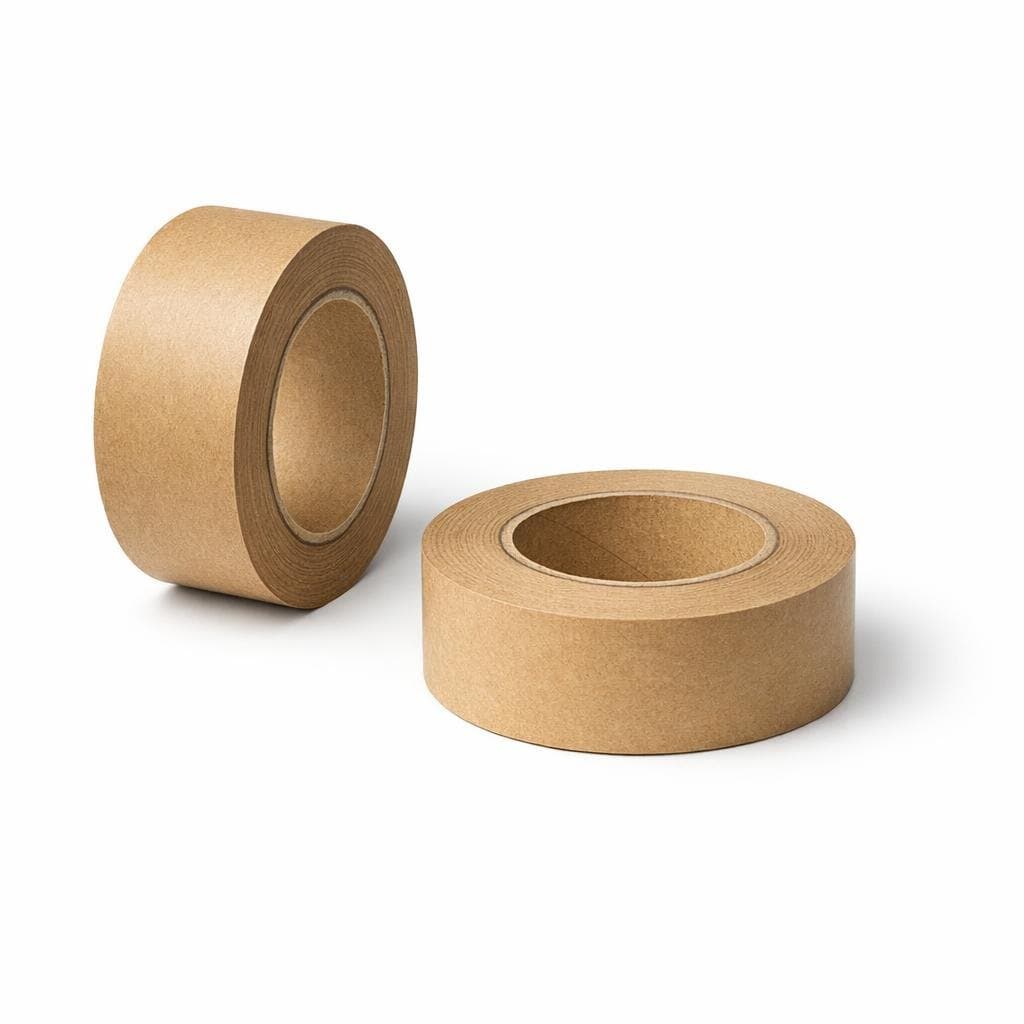
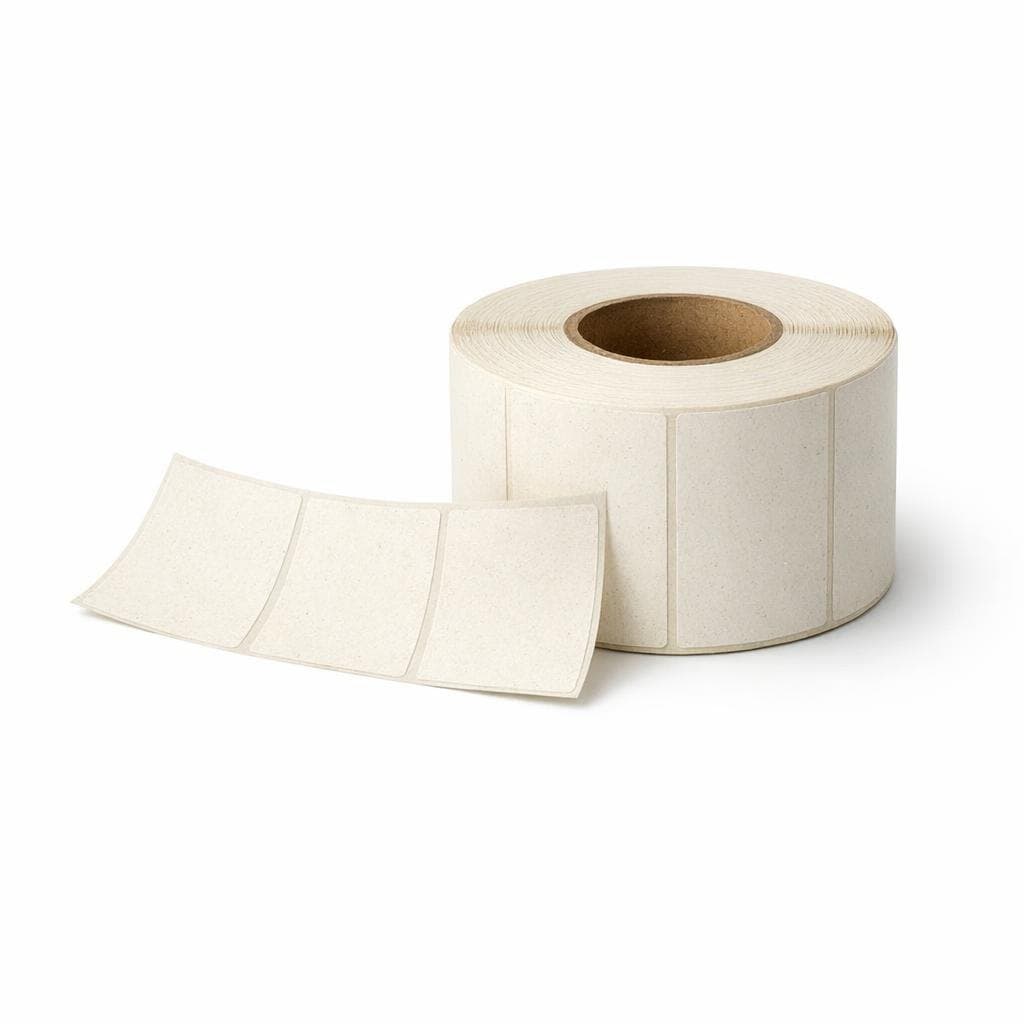
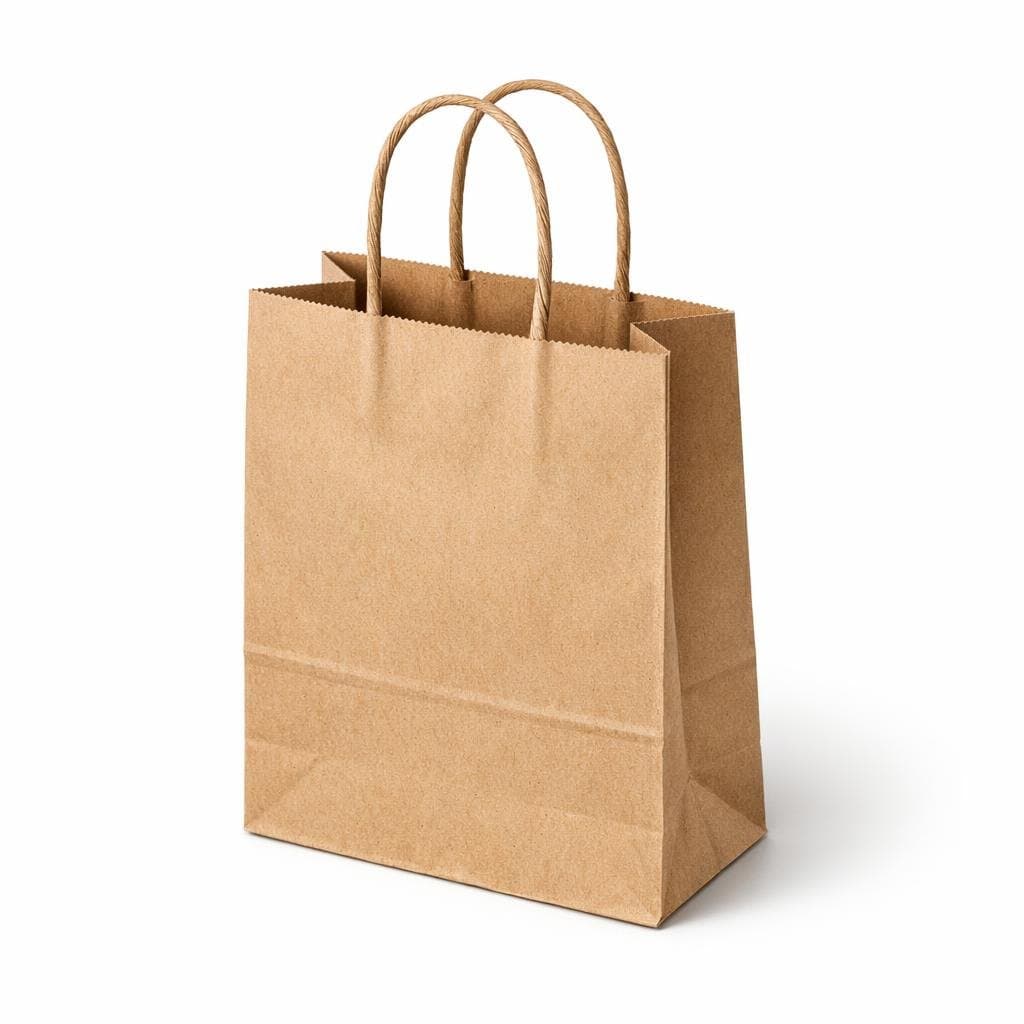
Kraft paper
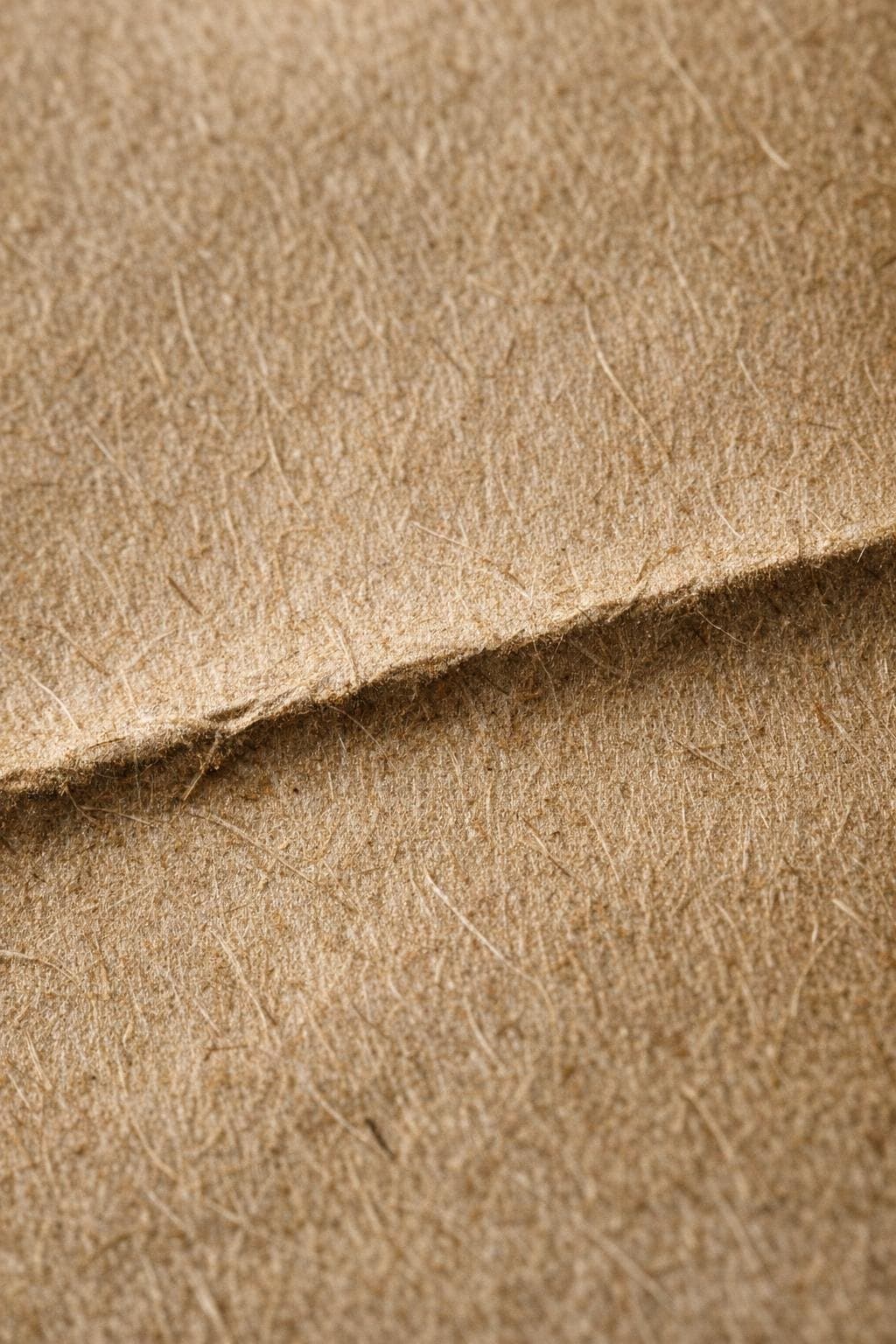
Long wood fibres, left unbleached for strength.
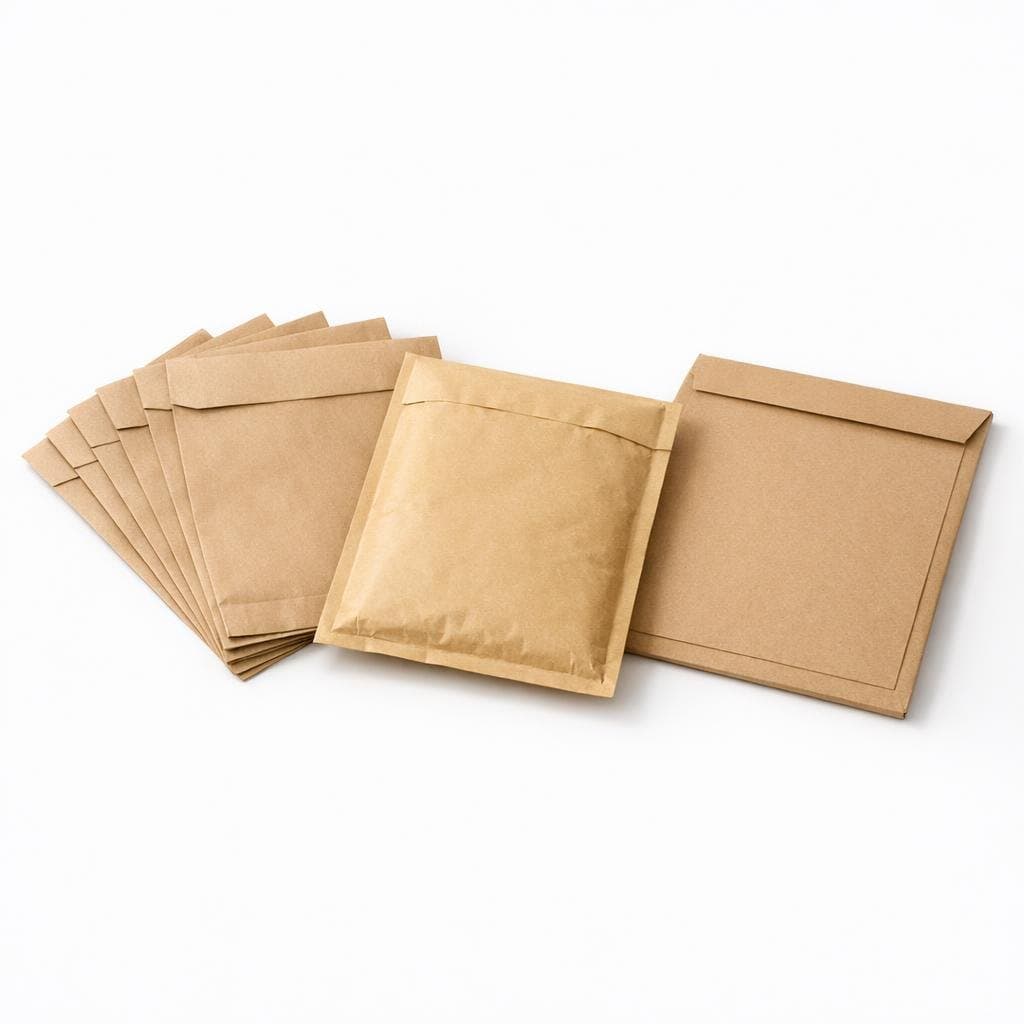
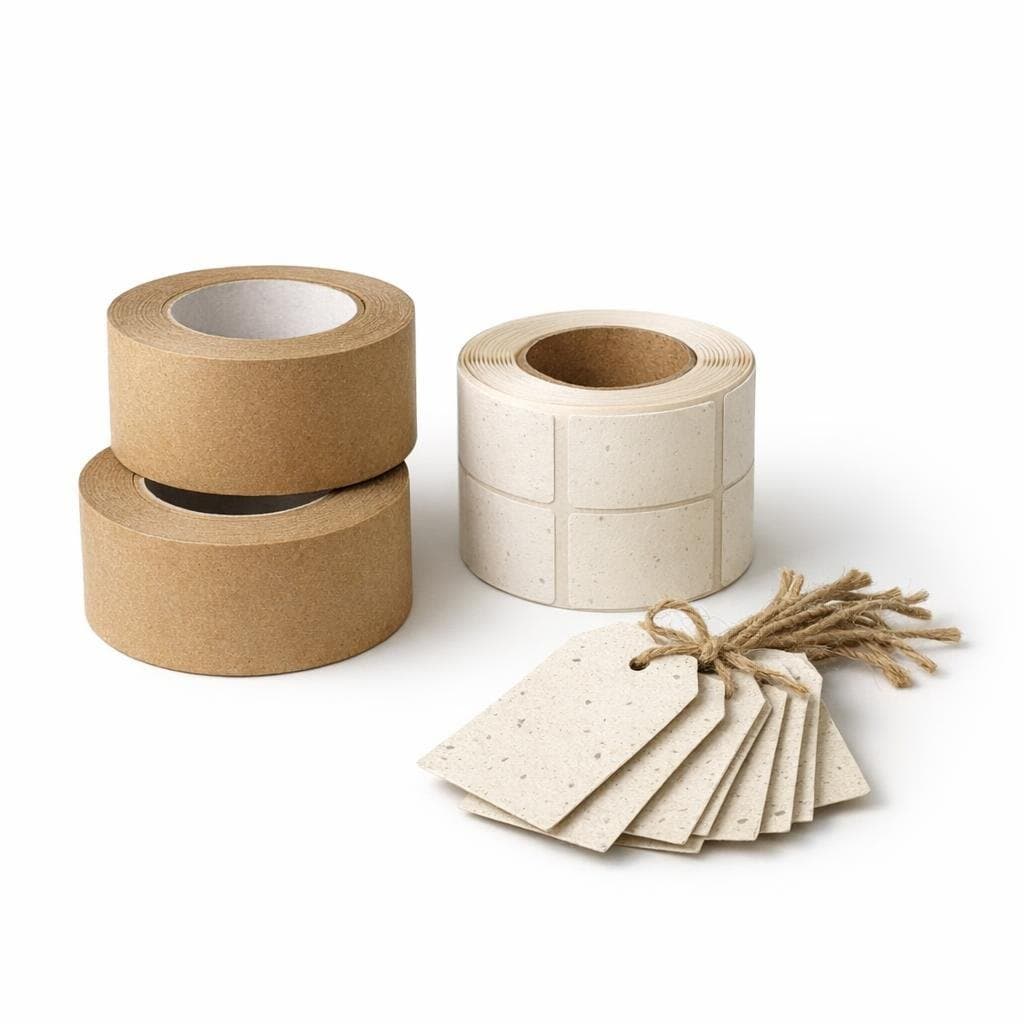
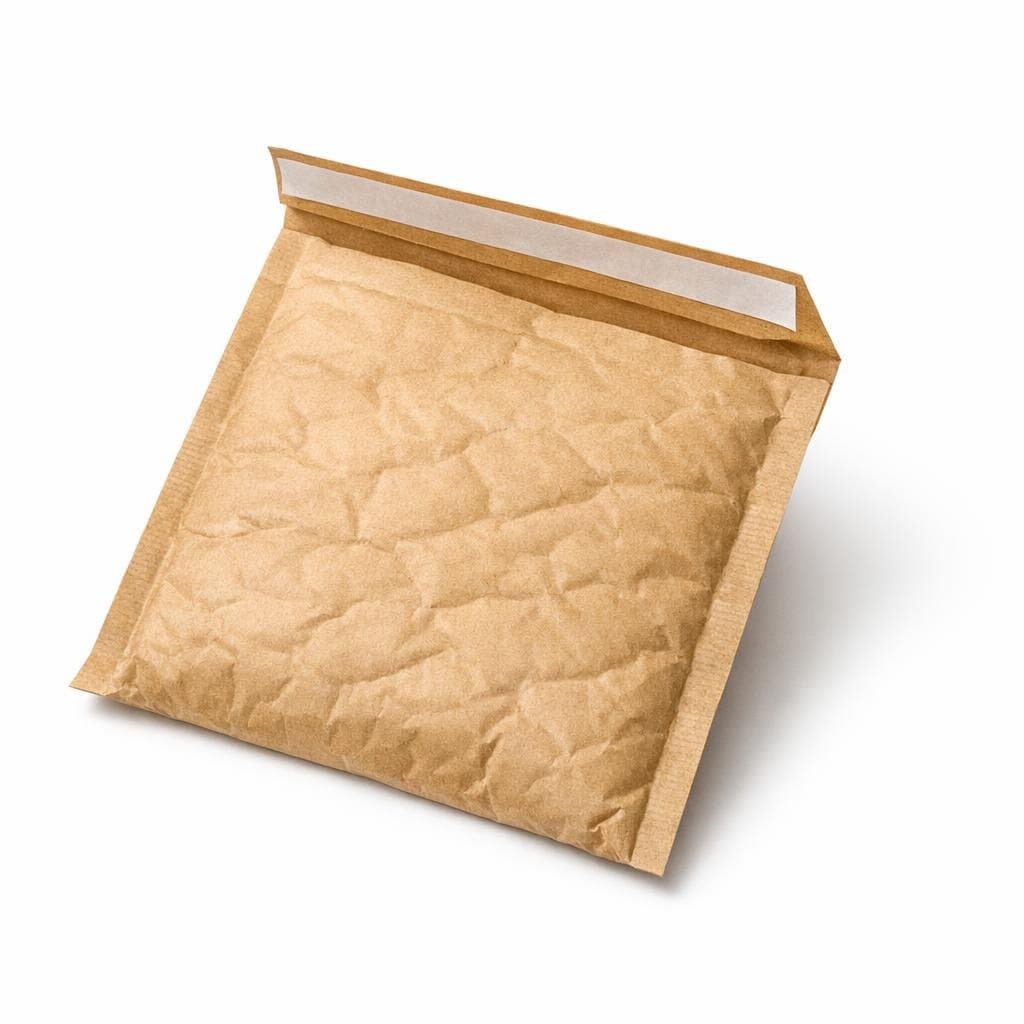
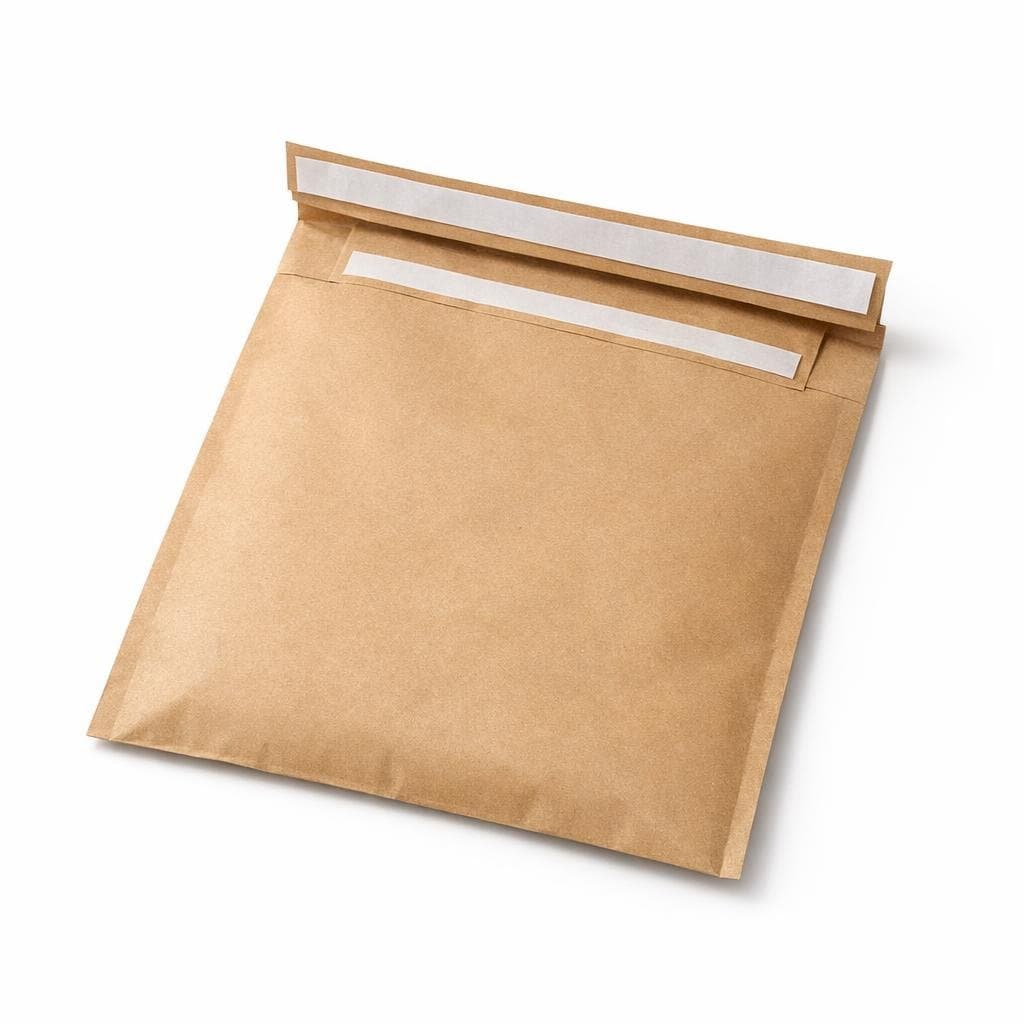
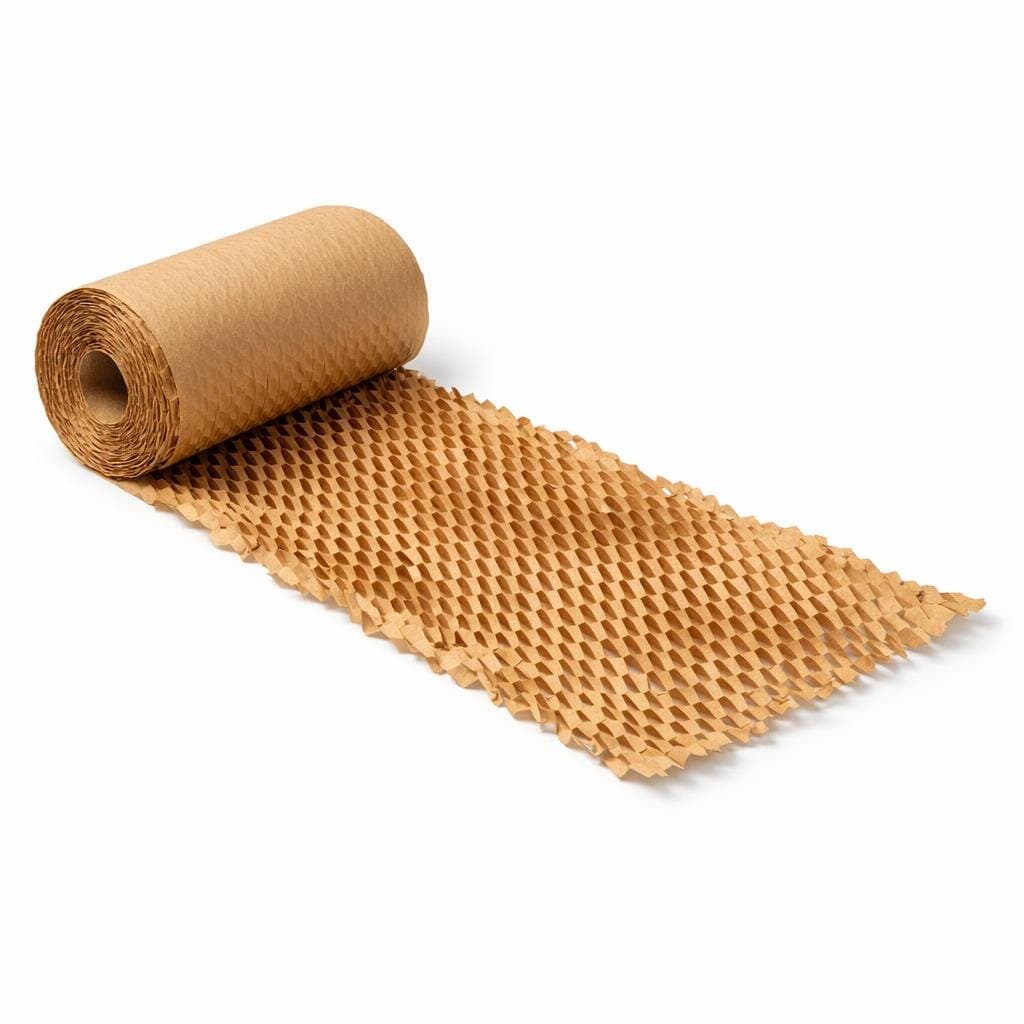
The kraft process keeps wood fibres long, so the paper is strong for its weight and takes a fold well. Pressed, crinkled, die-cut or gummed, it covers more jobs than any other material we sell.
- Made from
- FSC-certified wood pulp and recycled paper
- Used for
- Mailing bags, honeycomb wrap, tape, labels, tissue
- After use
- Paper fibres can be recycled around five to seven times
- Kerbside recyclable
- Home compostable
 03
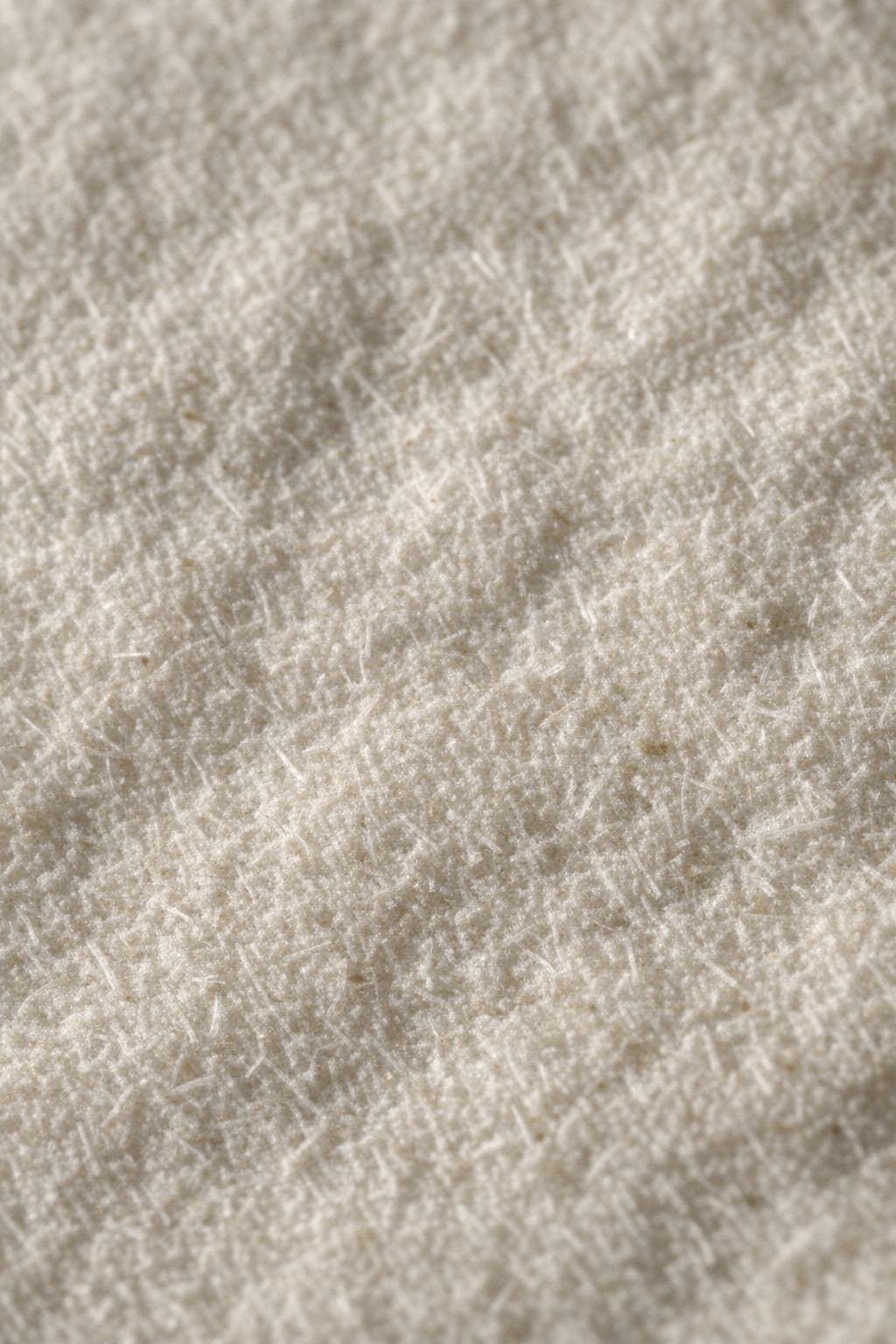
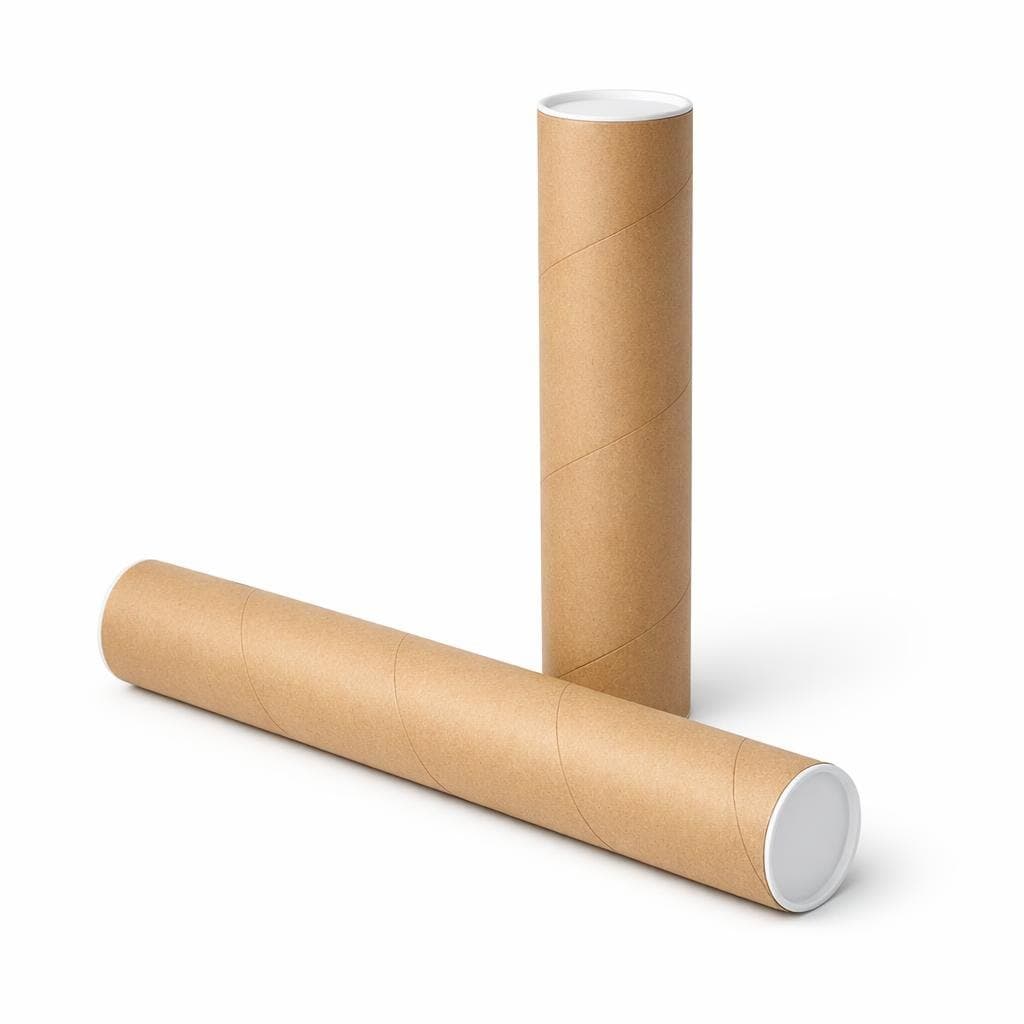
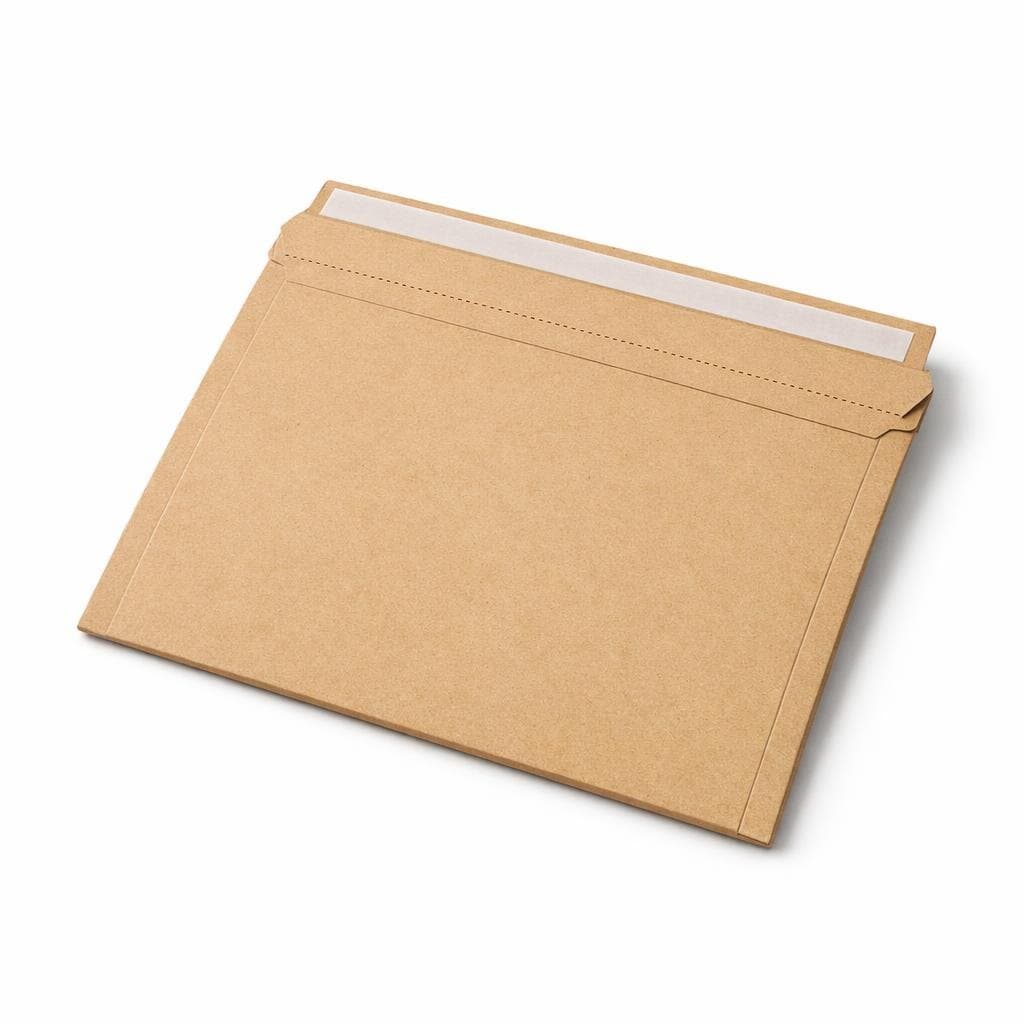
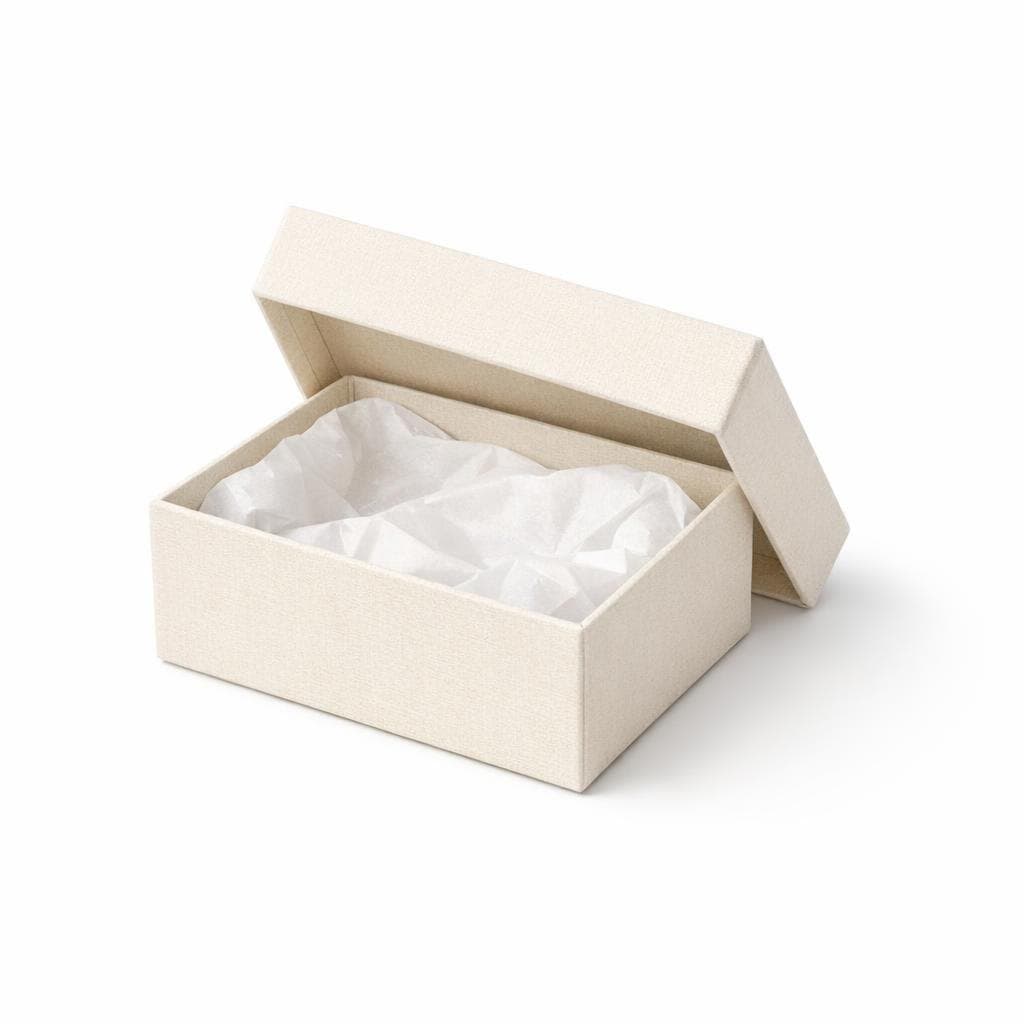
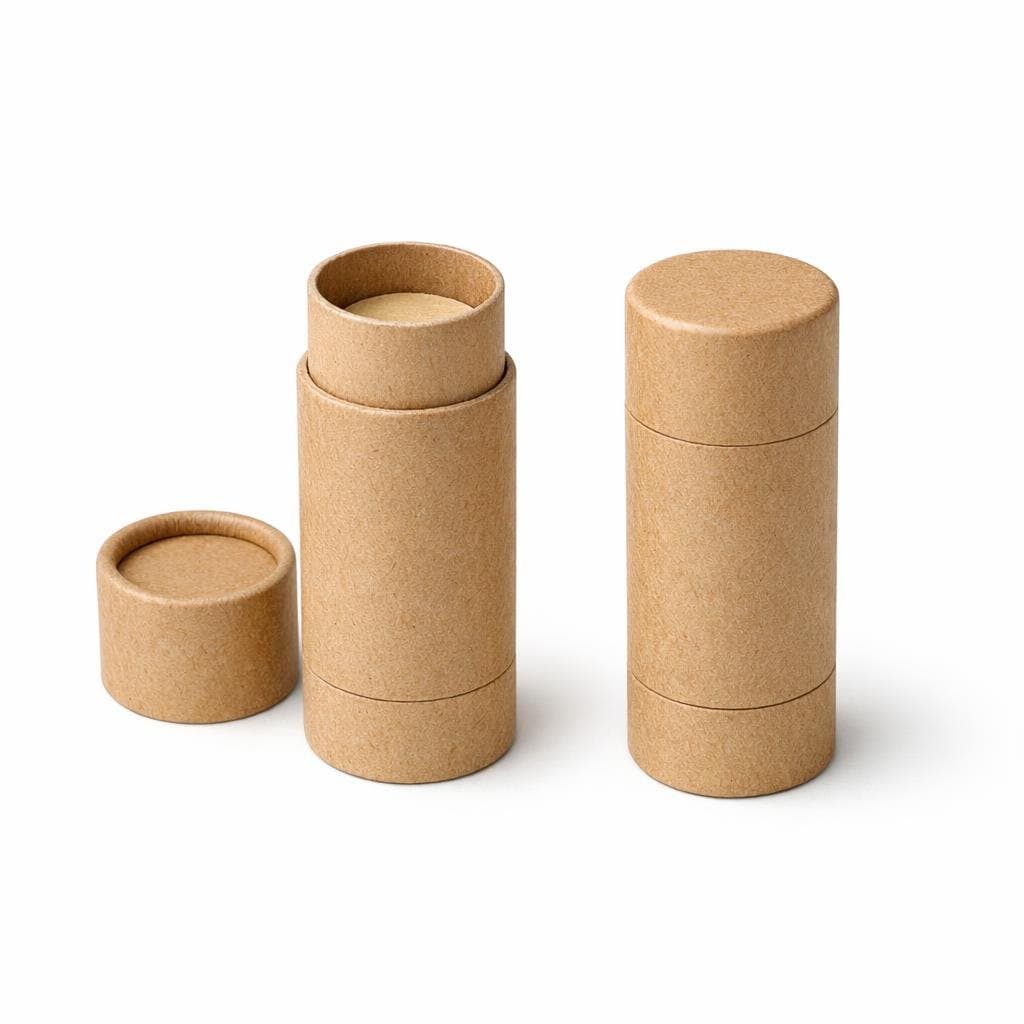
Paperboard
Dense layers of paper for tubes, rigid boxes and envelopes.
Paperboard is thick, solid board with no fluting. Wound in a spiral it makes postal and push-up tubes, and laminated into grey board it makes rigid gift boxes.
- Made from
- Mostly recycled fibre
- Used for
- Postal tubes, push-up tubes, gift boxes, board envelopes
- After use
- Kerbside paper and card recycling
- Kerbside recyclable
 04
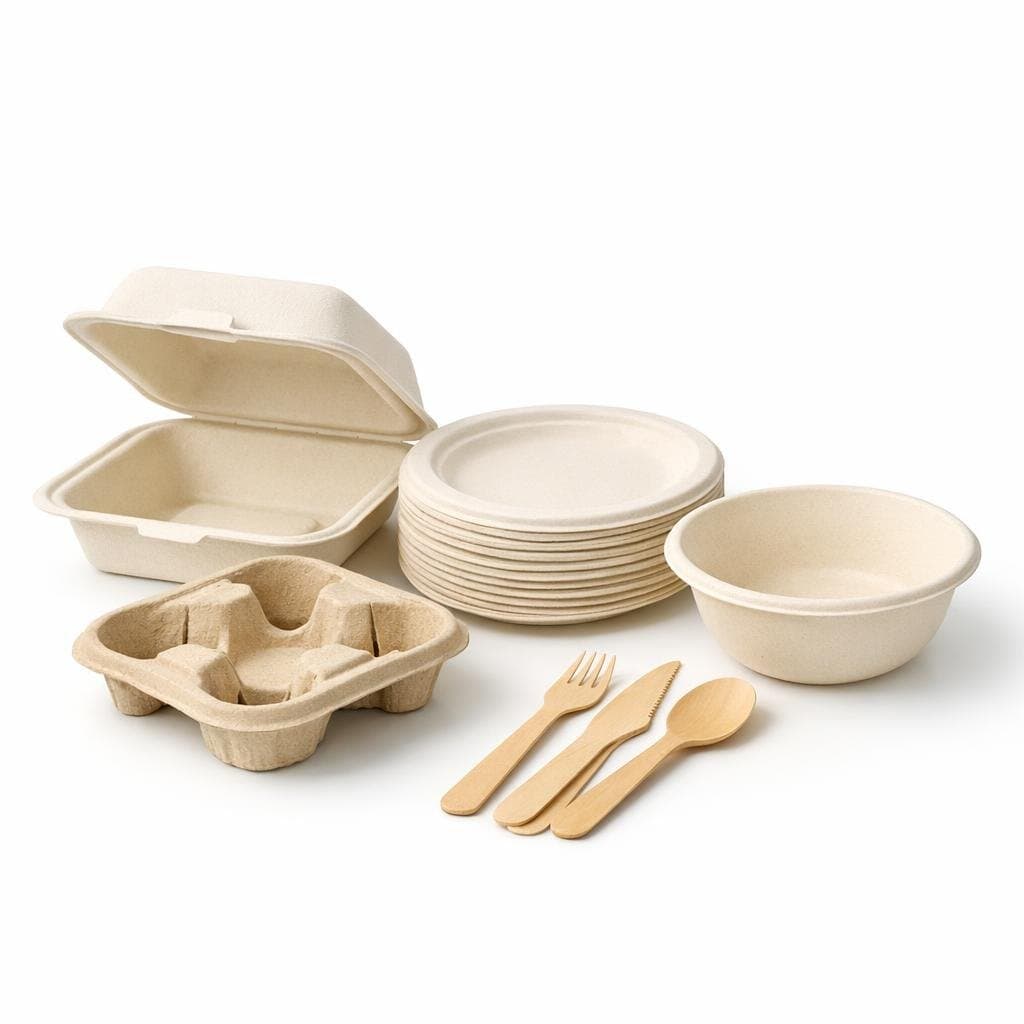
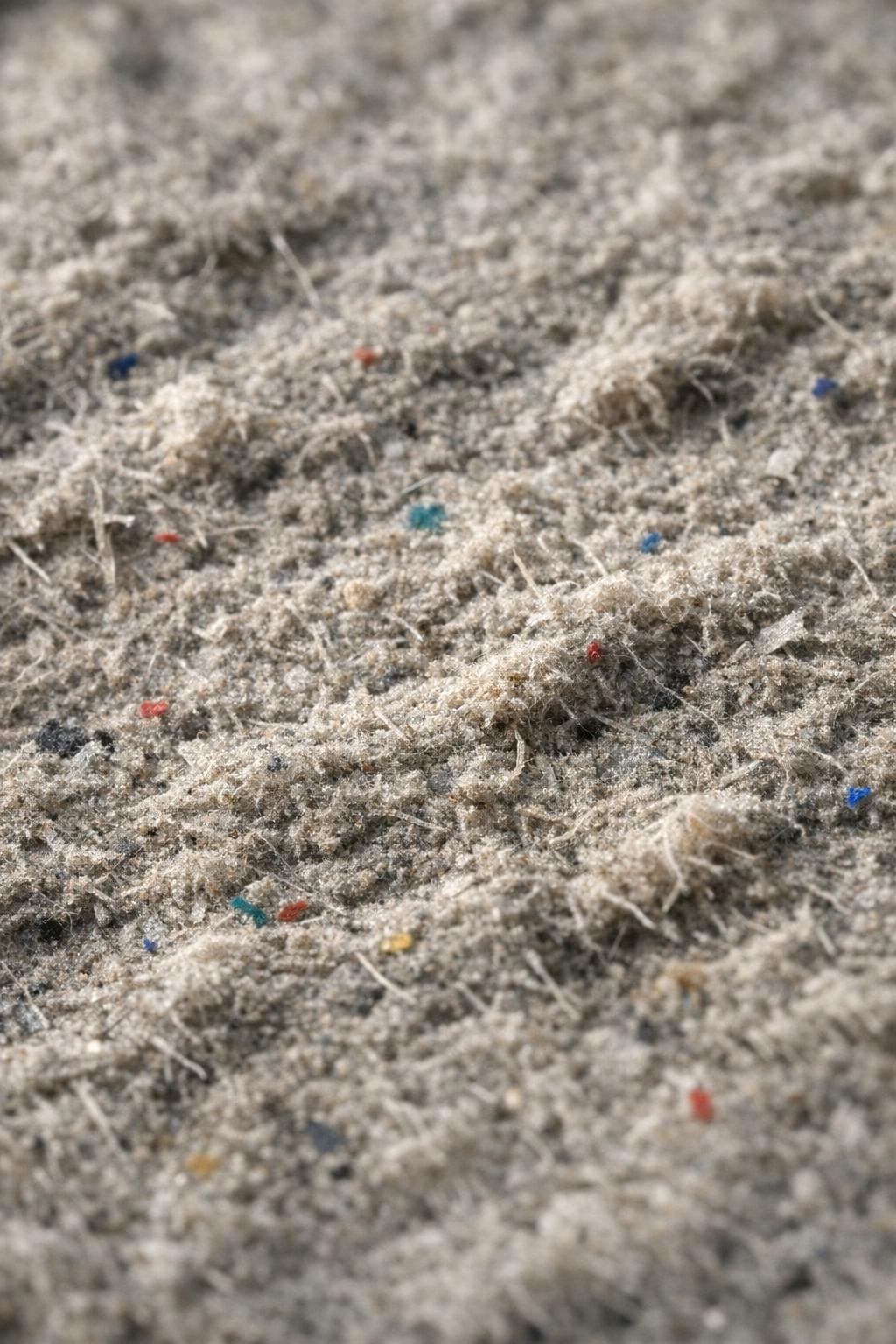
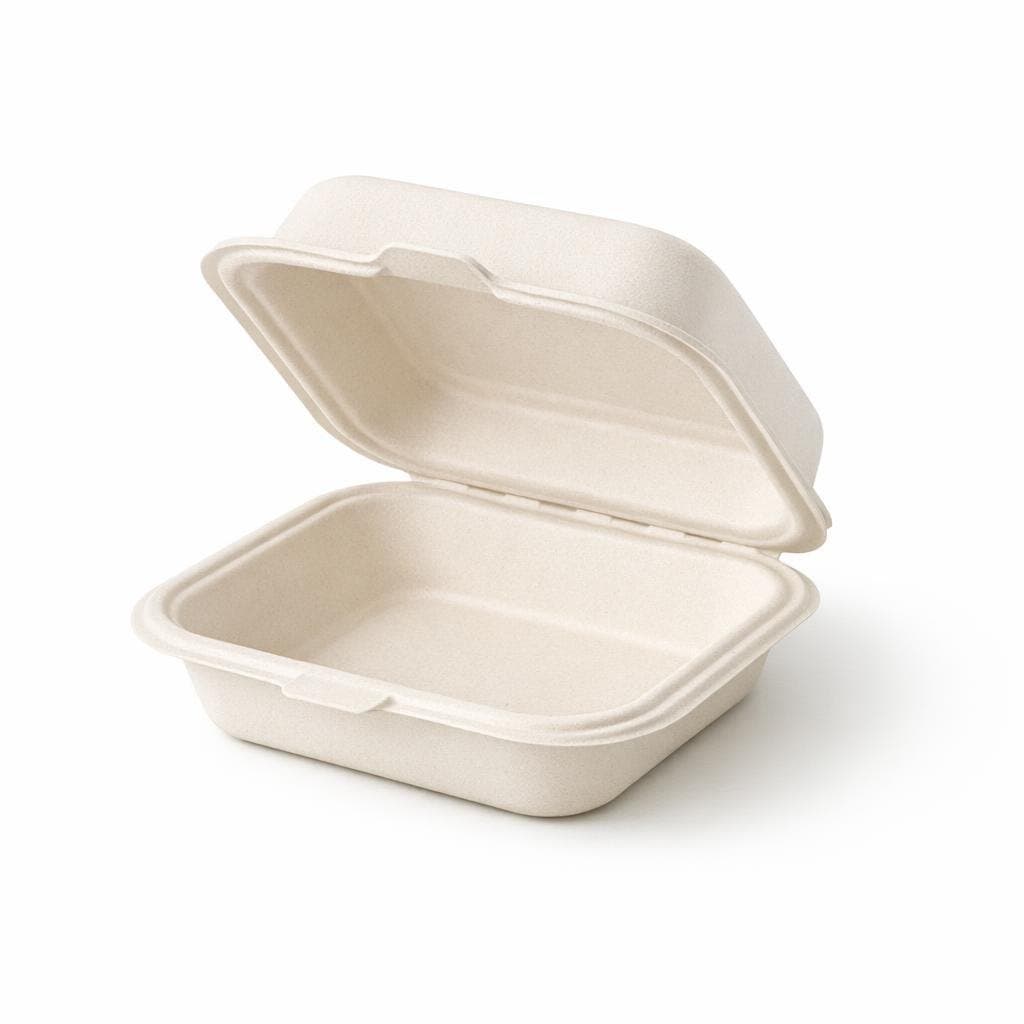
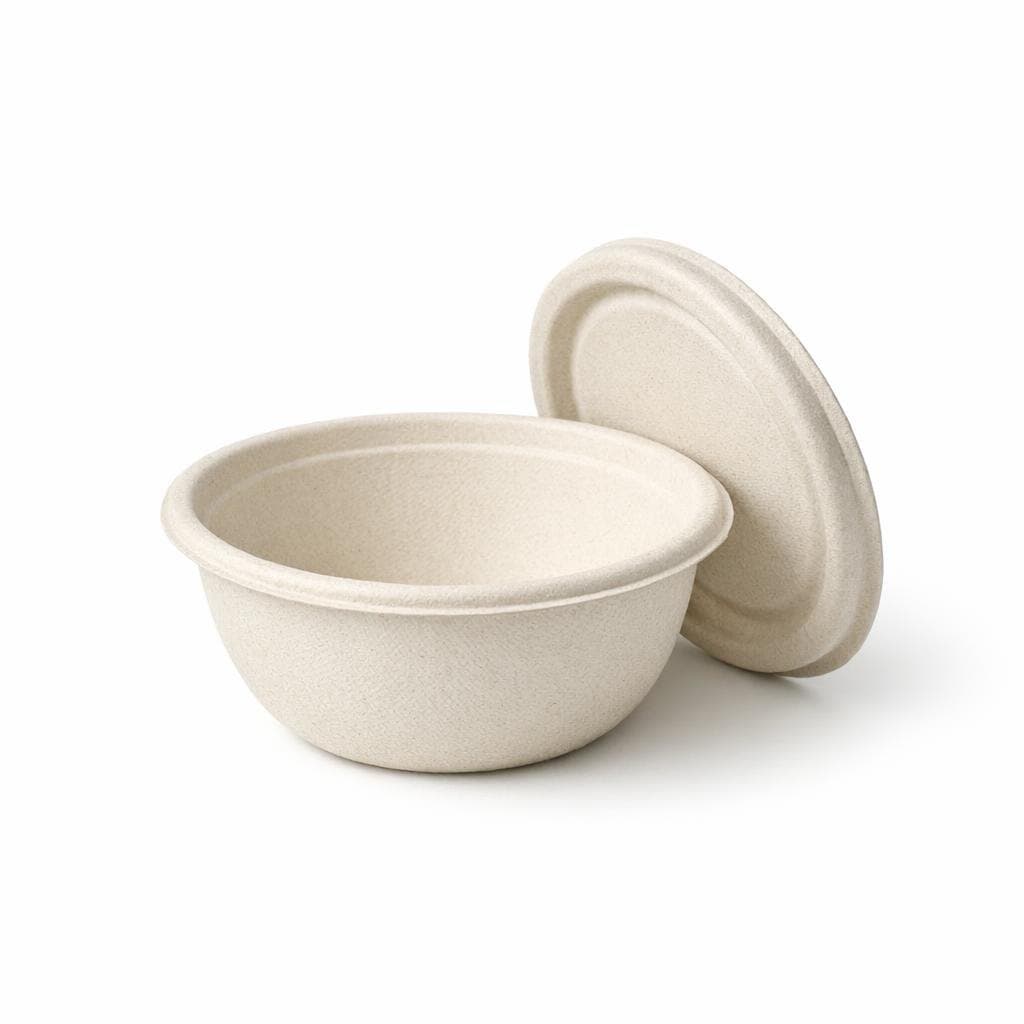
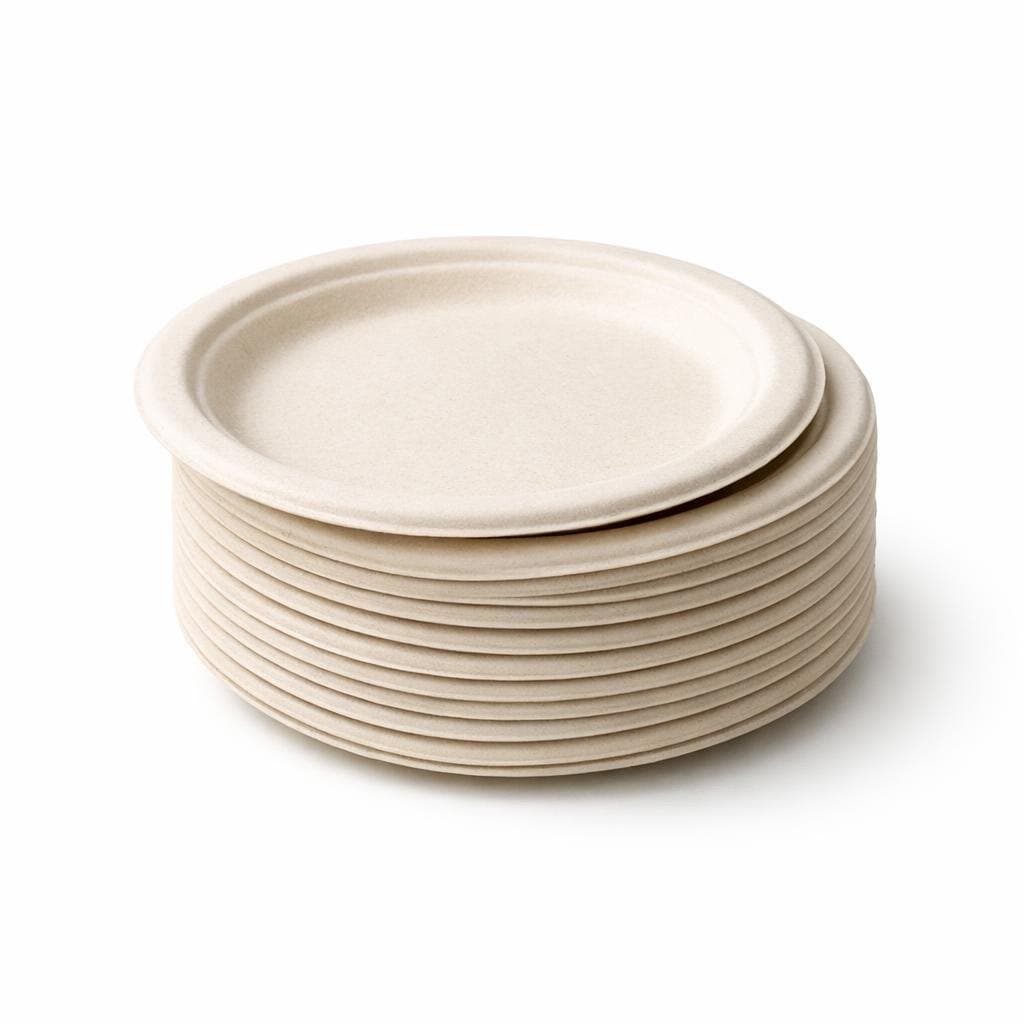
Sugarcane bagasse
The fibre left over when sugarcane is crushed for juice.
Instead of being burned or dumped, bagasse is pulped and moulded under heat and pressure into boxes, bowls and plates that hold hot, wet and greasy food.
- Made from
- A by-product of sugar production
- Used for
- Takeaway boxes, bowls and plates
- After use
- Compost it with the food waste; it can't go in paper recycling once it's dirty
- Home compostable
- Industrially compostable
 05
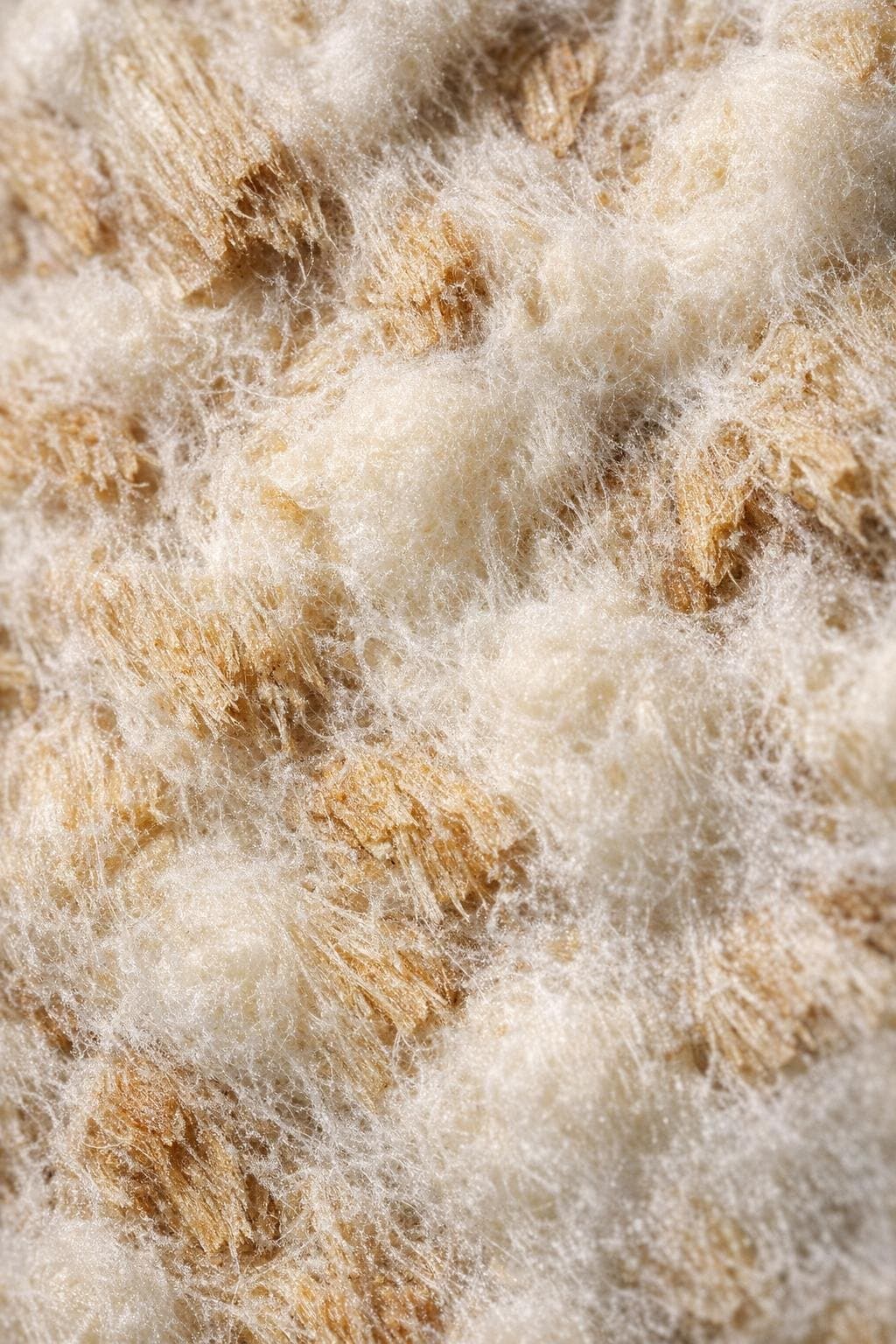
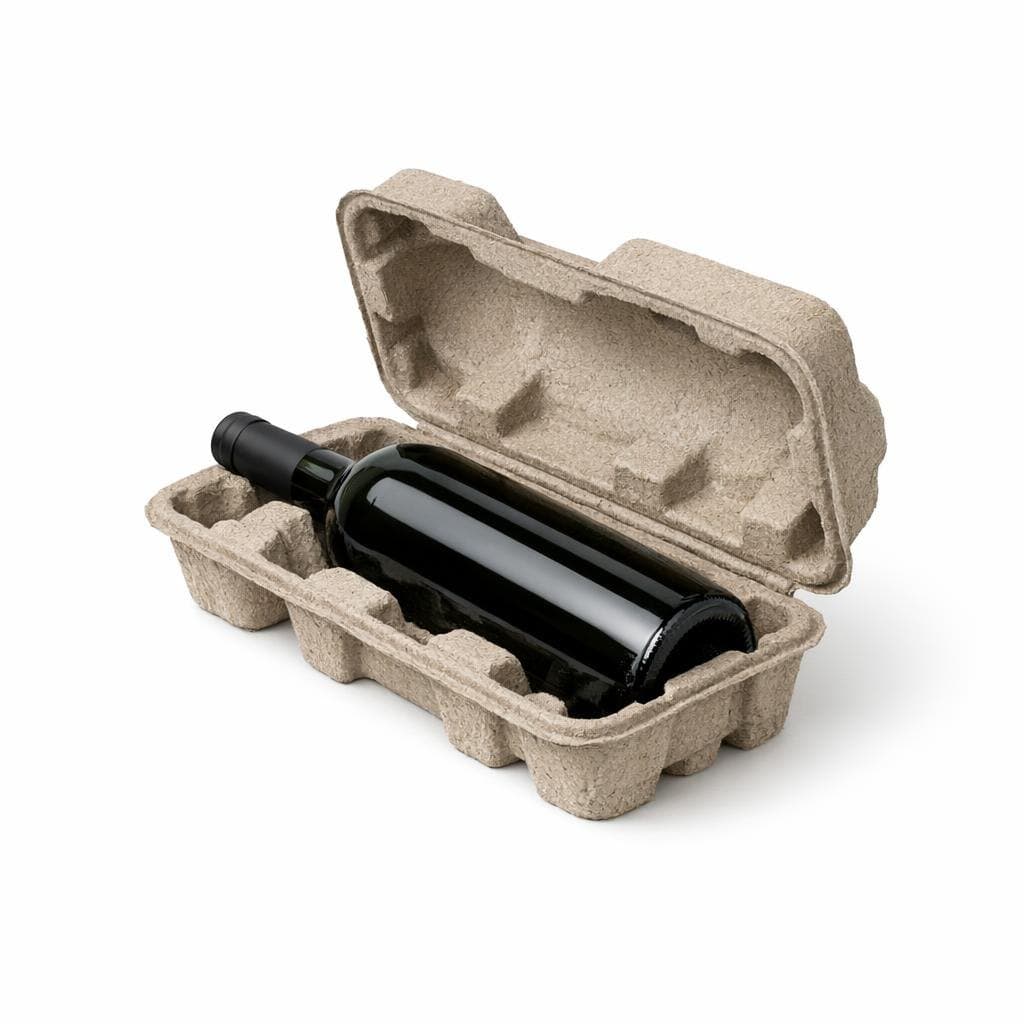
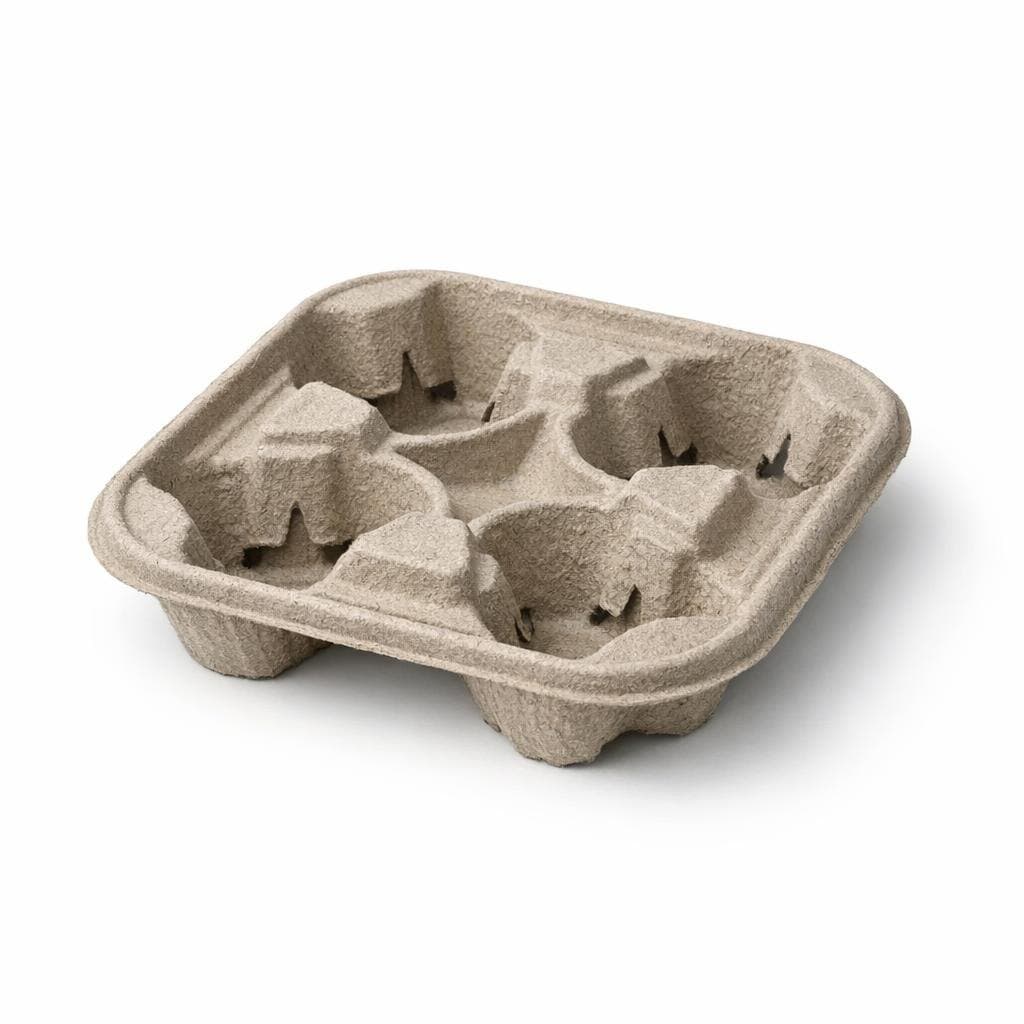
Moulded pulp
Recycled newspaper and card, pulped and pressed into shape.
Moulded pulp turns waste paper into cup carriers, bottle cradles and protective trays. The rough, egg-box texture is part of what makes it grip.
- Made from
- 100% recycled paper
- Used for
- Cup carriers and bottle shippers
- After use
- Kerbside recycling or home compost
- Kerbside recyclable
- Home compostable
 06
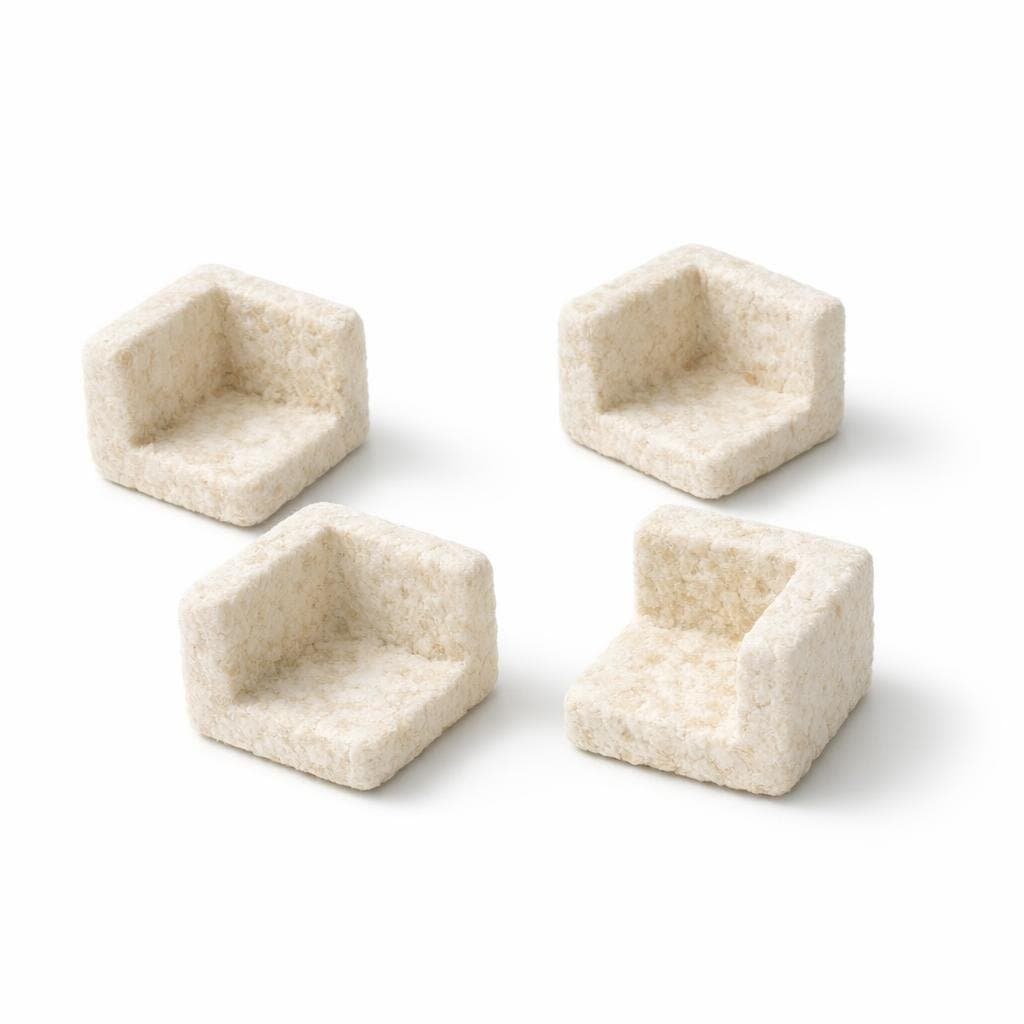
Mycelium
Grown, not made: mushroom roots binding hemp into a solid shape.
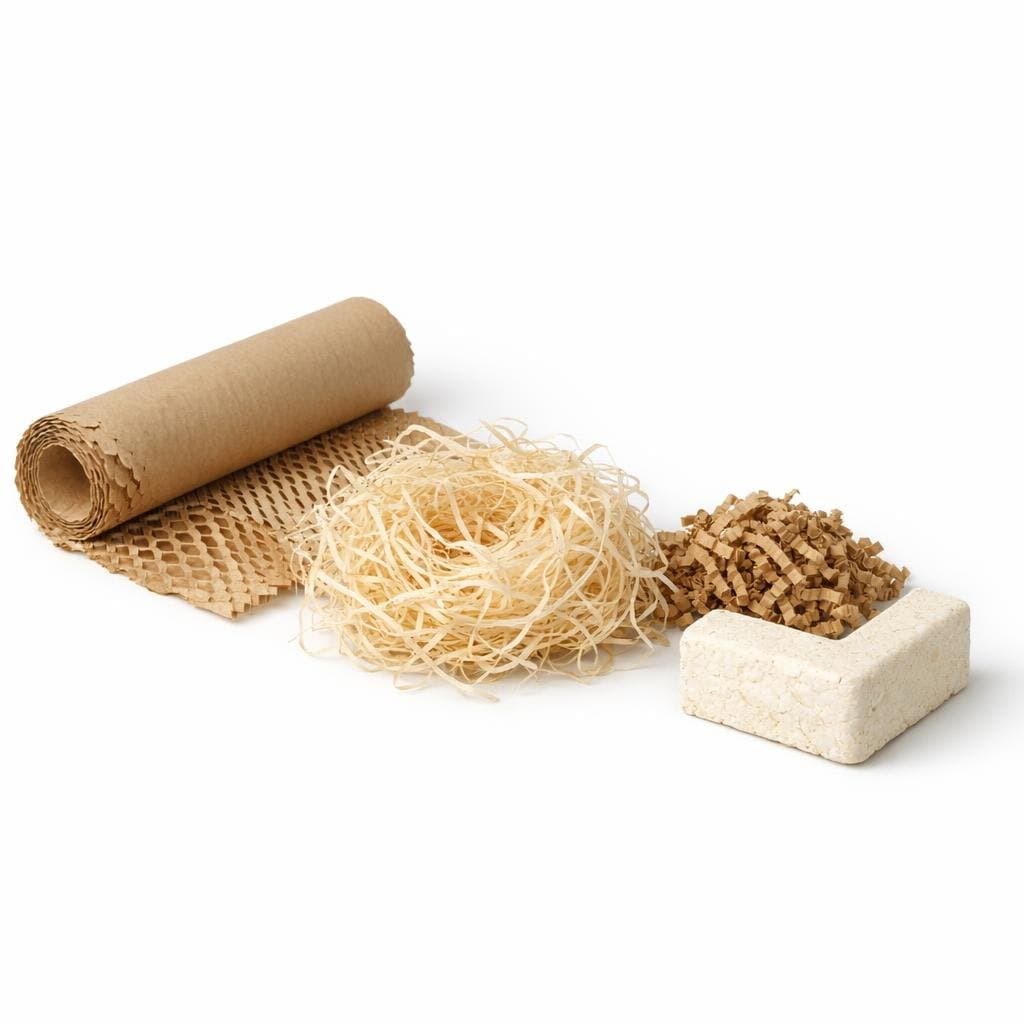
Mycelium grows through chopped hemp in a mould for about a week, binding it into a solid that protects as well as polystyrene foam. Drying it stops the growth.
- Made from
- Hemp and mushroom mycelium
- Used for
- Corner protectors and custom inserts
- After use
- Break it up and add it to compost or soil
- Home compostable
 07
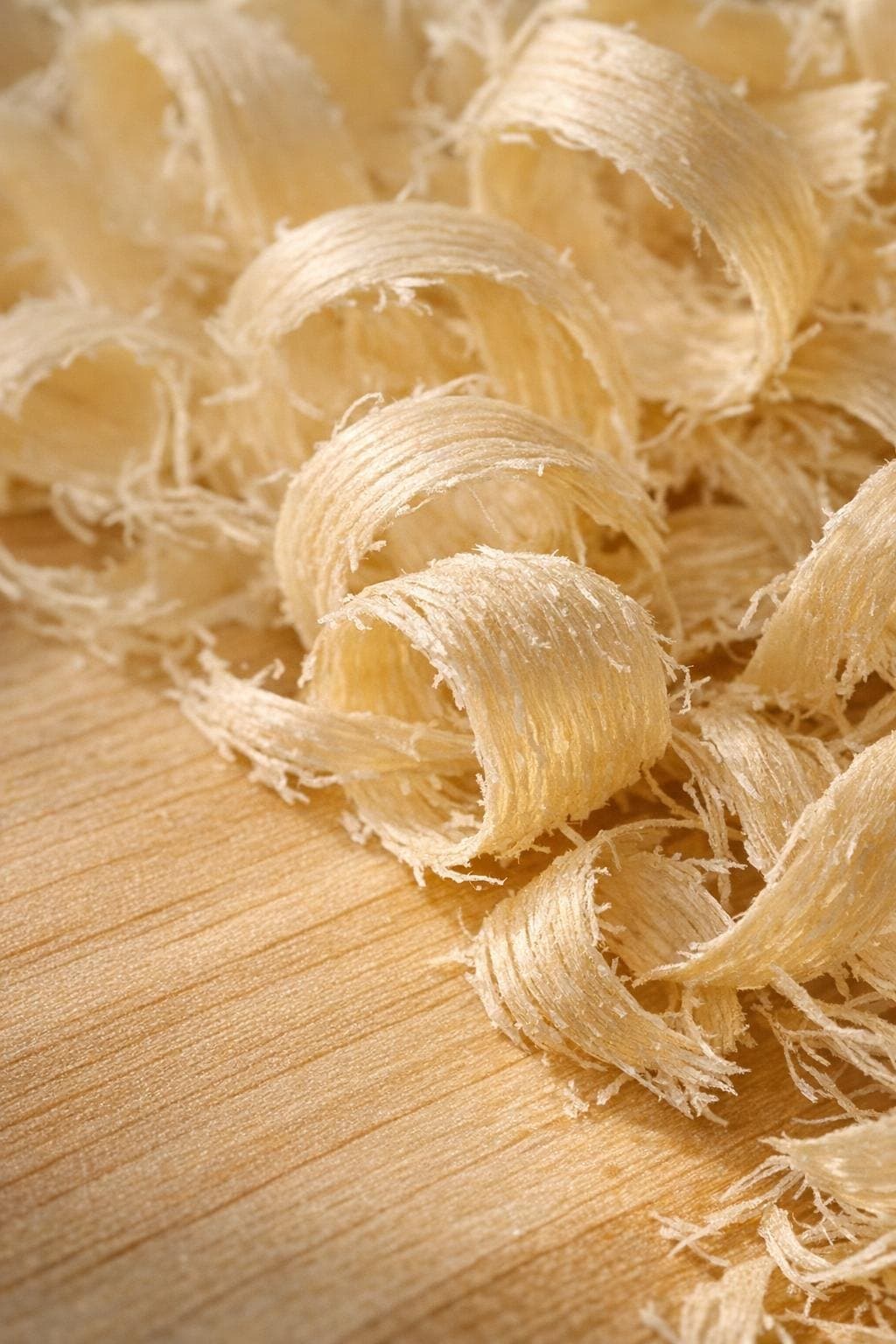
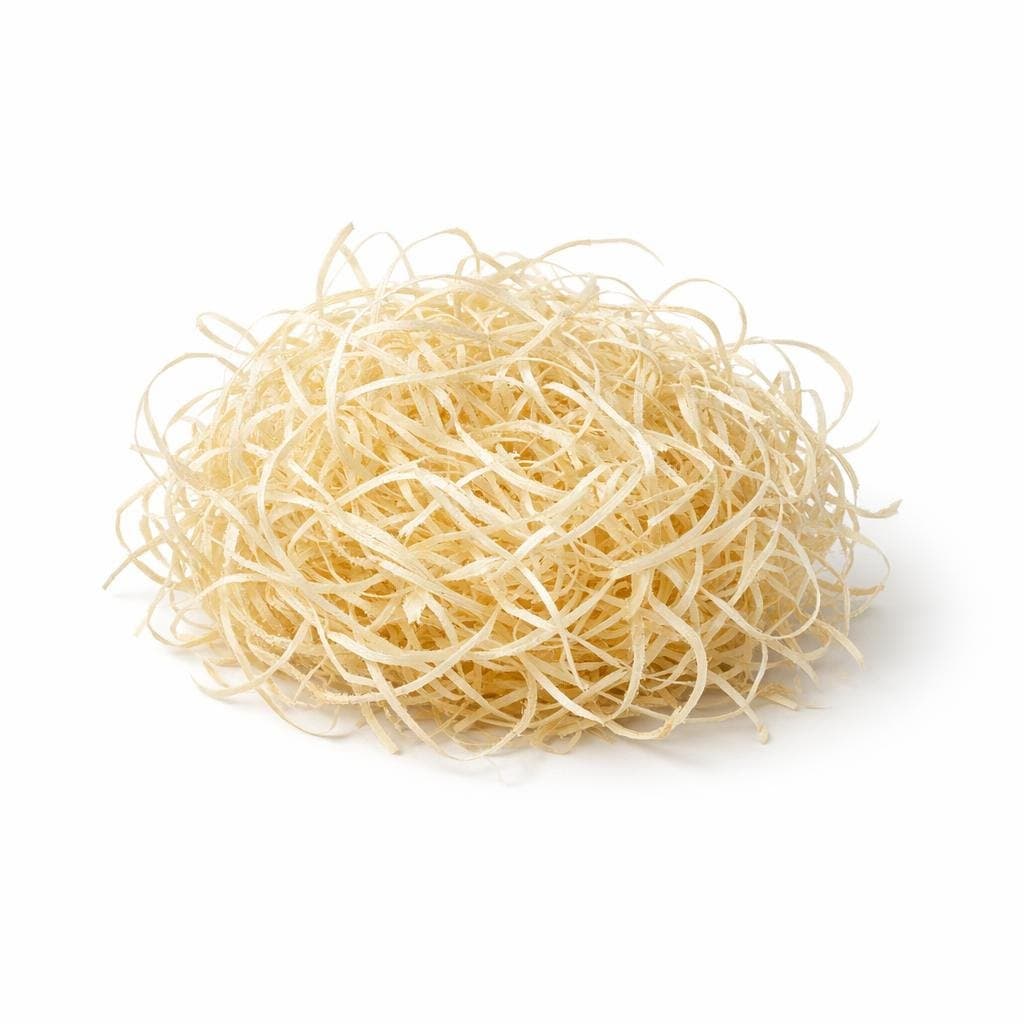
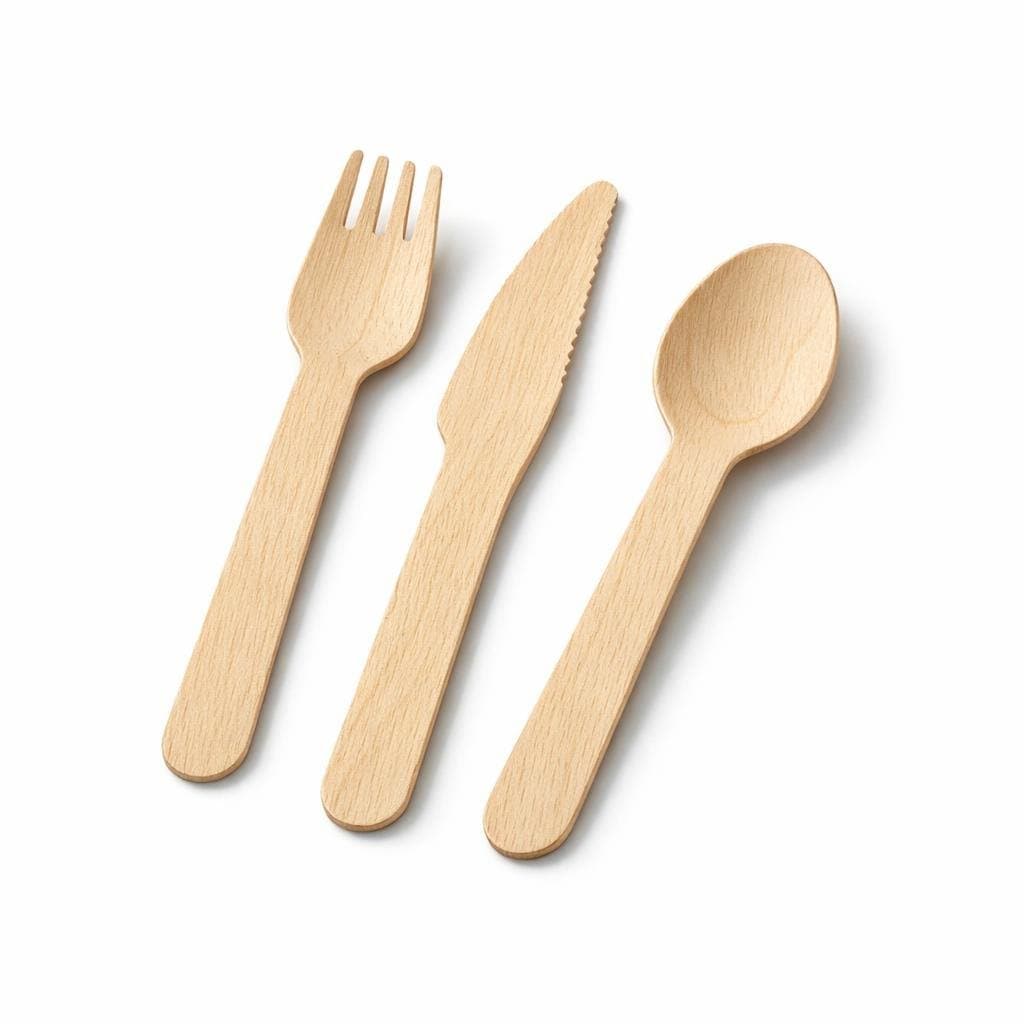
Wood
Pine shavings and birch veneer from managed forests.
Wood wool is long, fine shavings of untreated pine, used to cushion and fill. Birch veneer is pressed into cutlery that's stiff and smooth and doesn't taste of anything.
- Made from
- FSC-certified pine and birch
- Used for
- Wood wool and cutlery
- After use
- Home compost
- Home compostable
 08
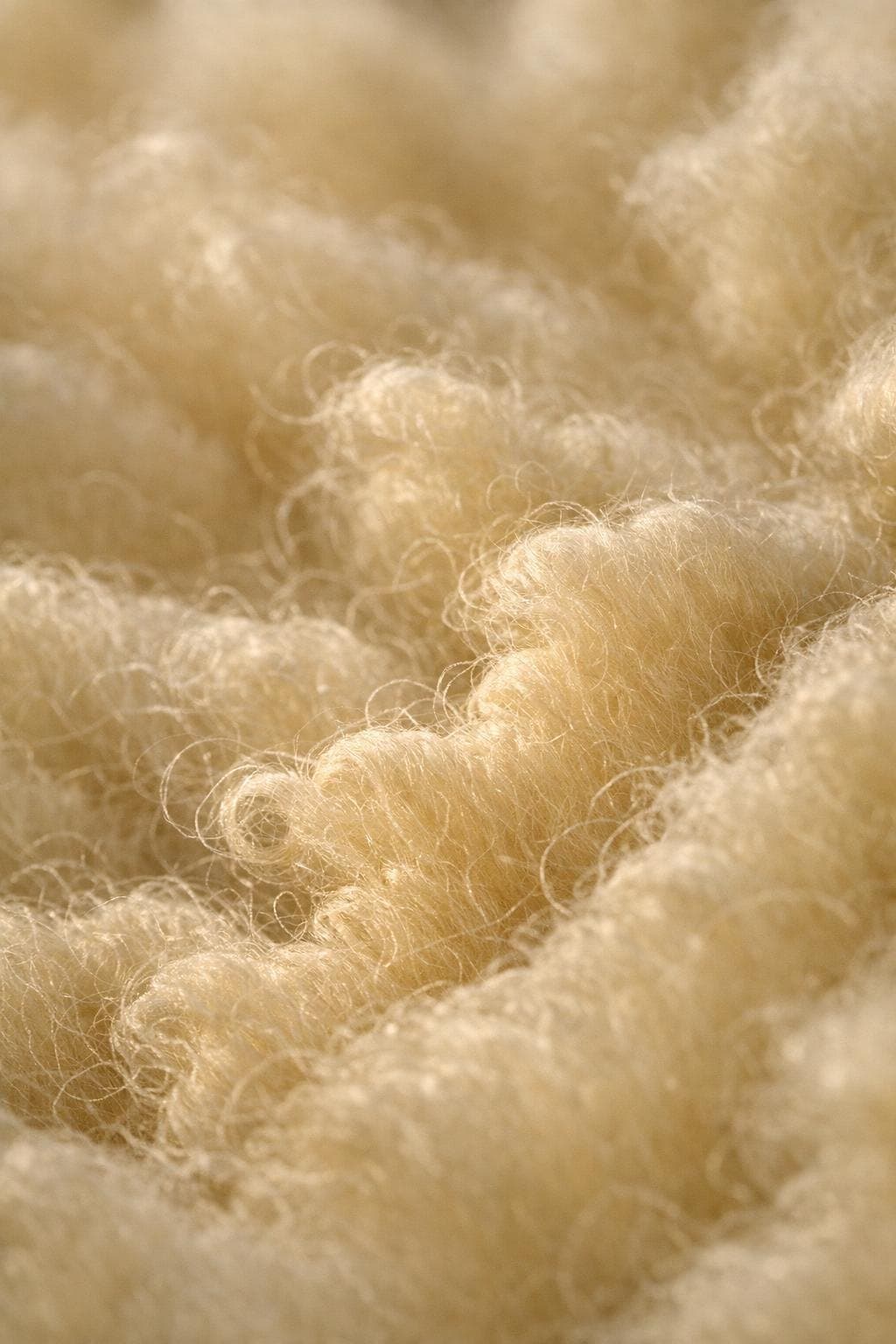
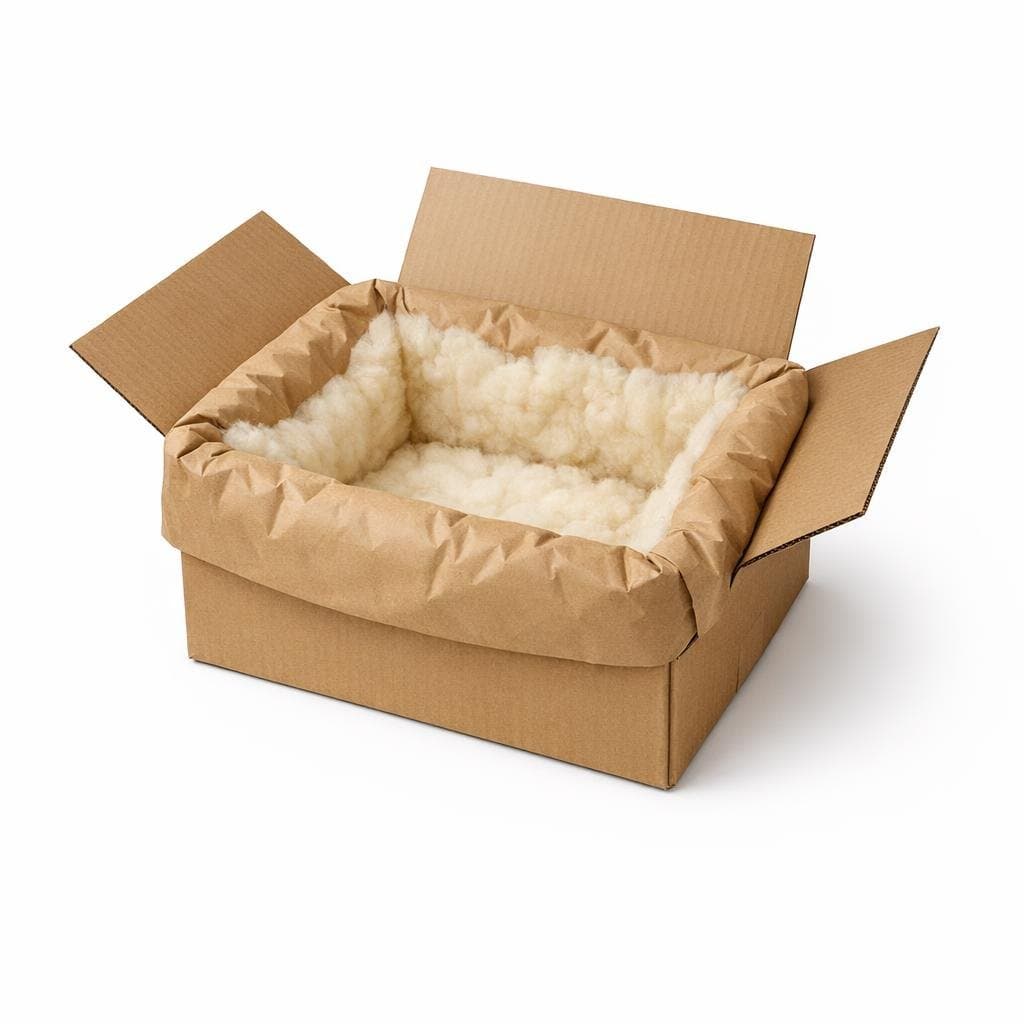
Sheep's wool
Natural insulation, from wool too coarse for clothing.
Crimped wool fibres trap still air and absorb condensation, which makes them a good insulator for chilled deliveries. We use coarse fleece that has little value for textiles.
- Made from
- Coarse fleece, felted into pads
- Used for
- Insulated box liners
- After use
- Reuse it, then compost the wool and recycle the paper sleeve
- Made to reuse
- Home compostable
 09
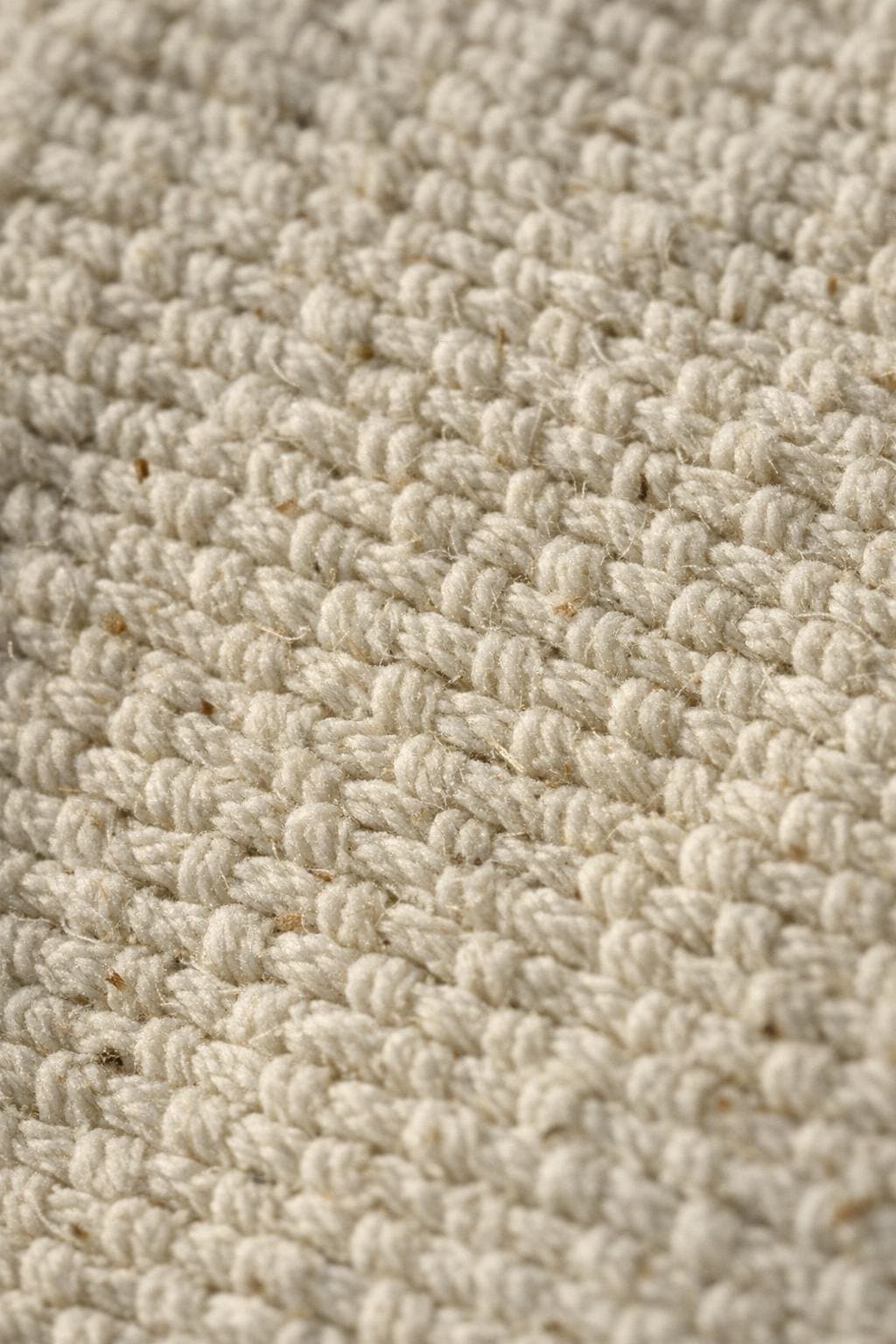
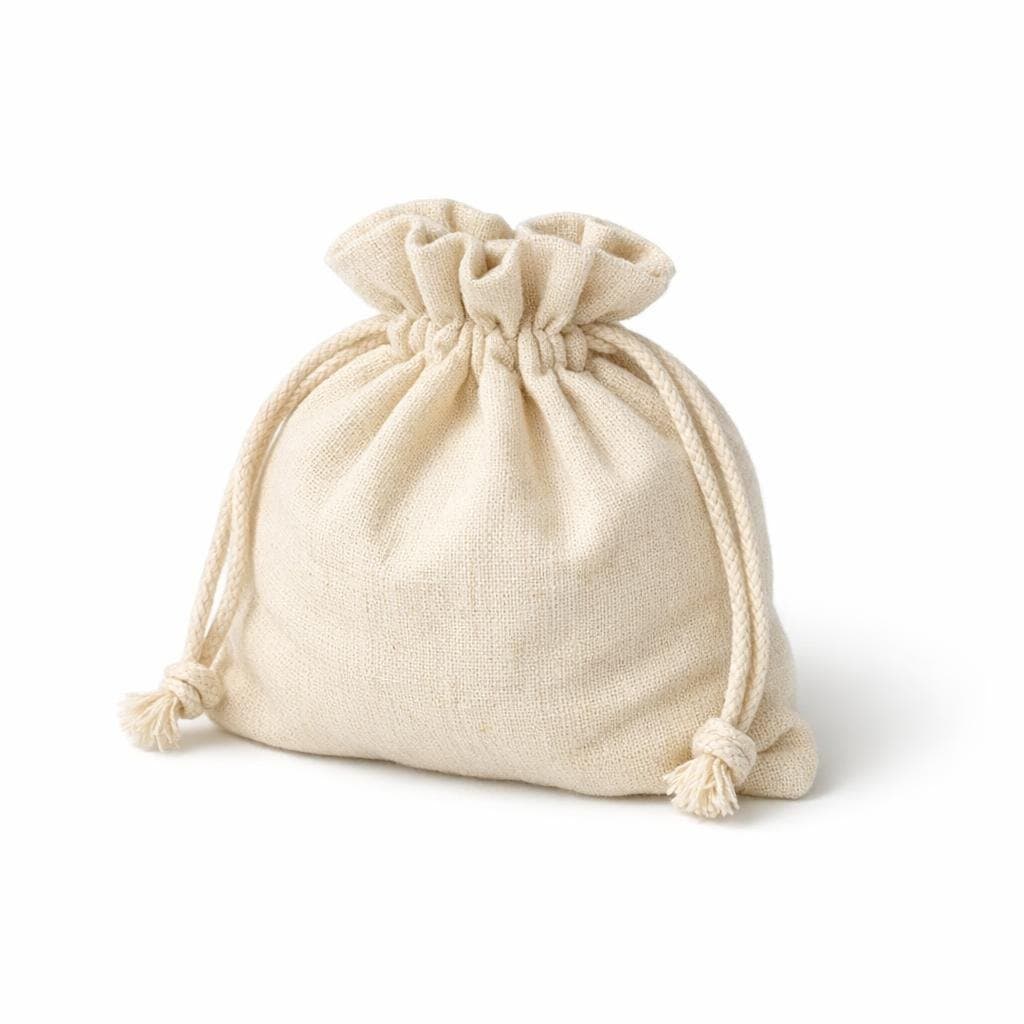
Organic cotton
Grown without synthetic pesticides or fertilisers.
Unbleached organic cotton makes soft, strong pouches that customers keep for years, which is the best thing that can happen to any packaging.
- Made from
- Certified organic cotton
- Used for
- Drawstring pouches
- After use
- Reuse
- Made to reuse
 10
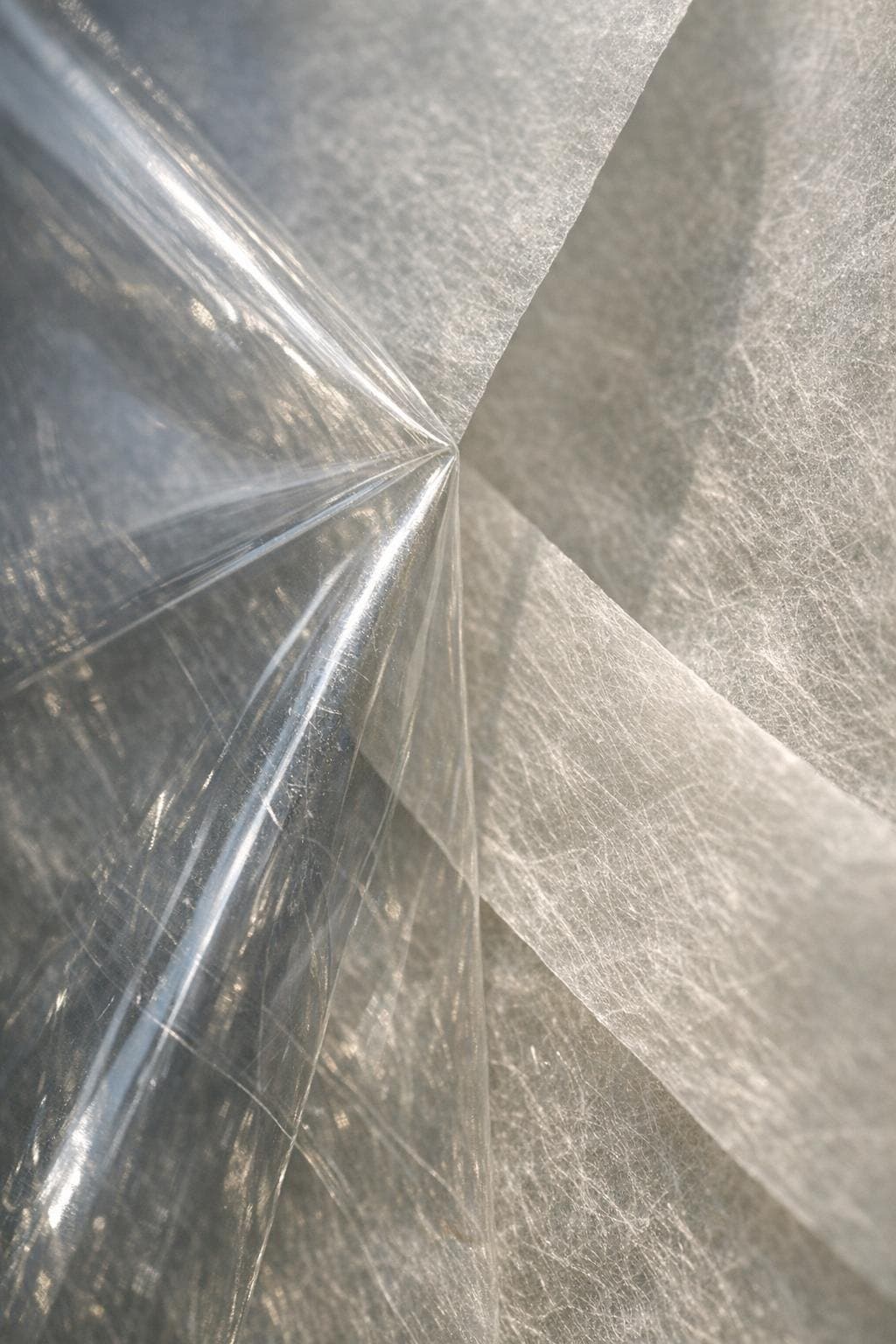
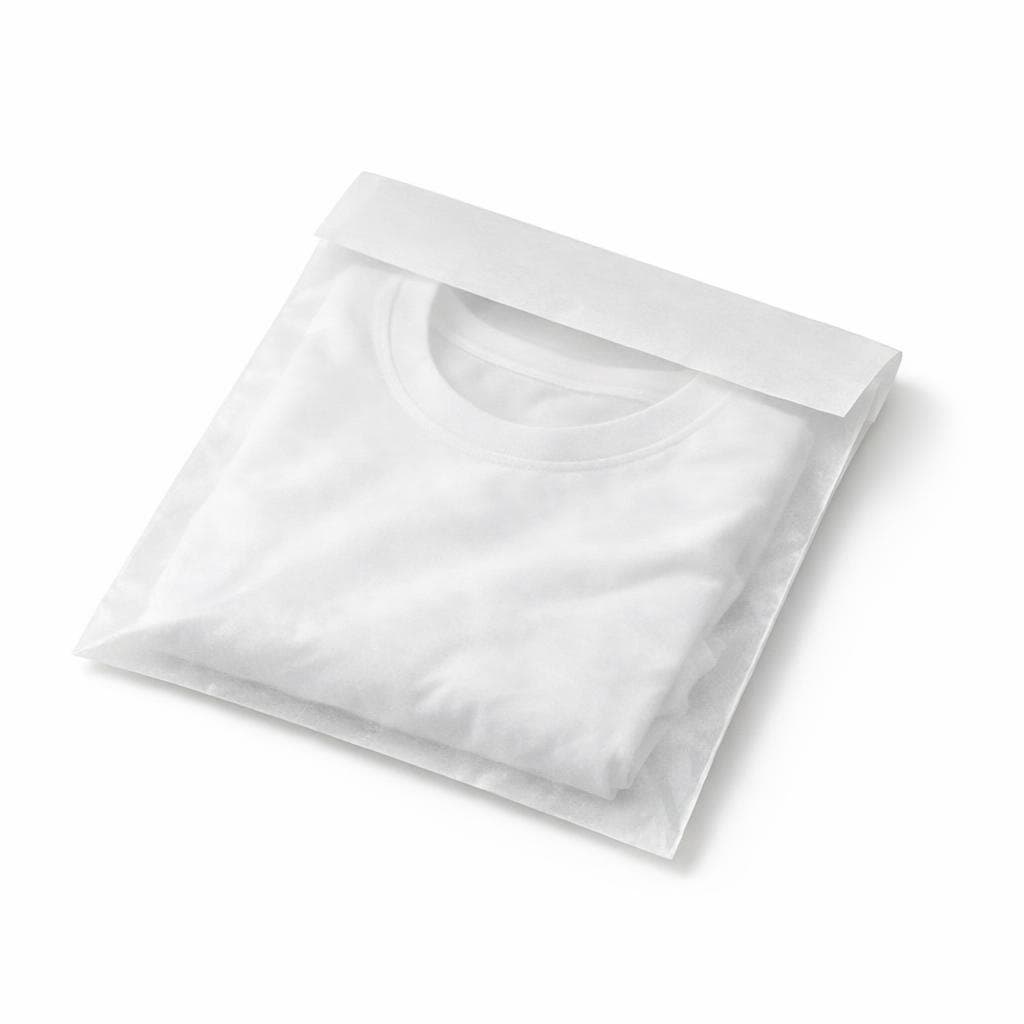
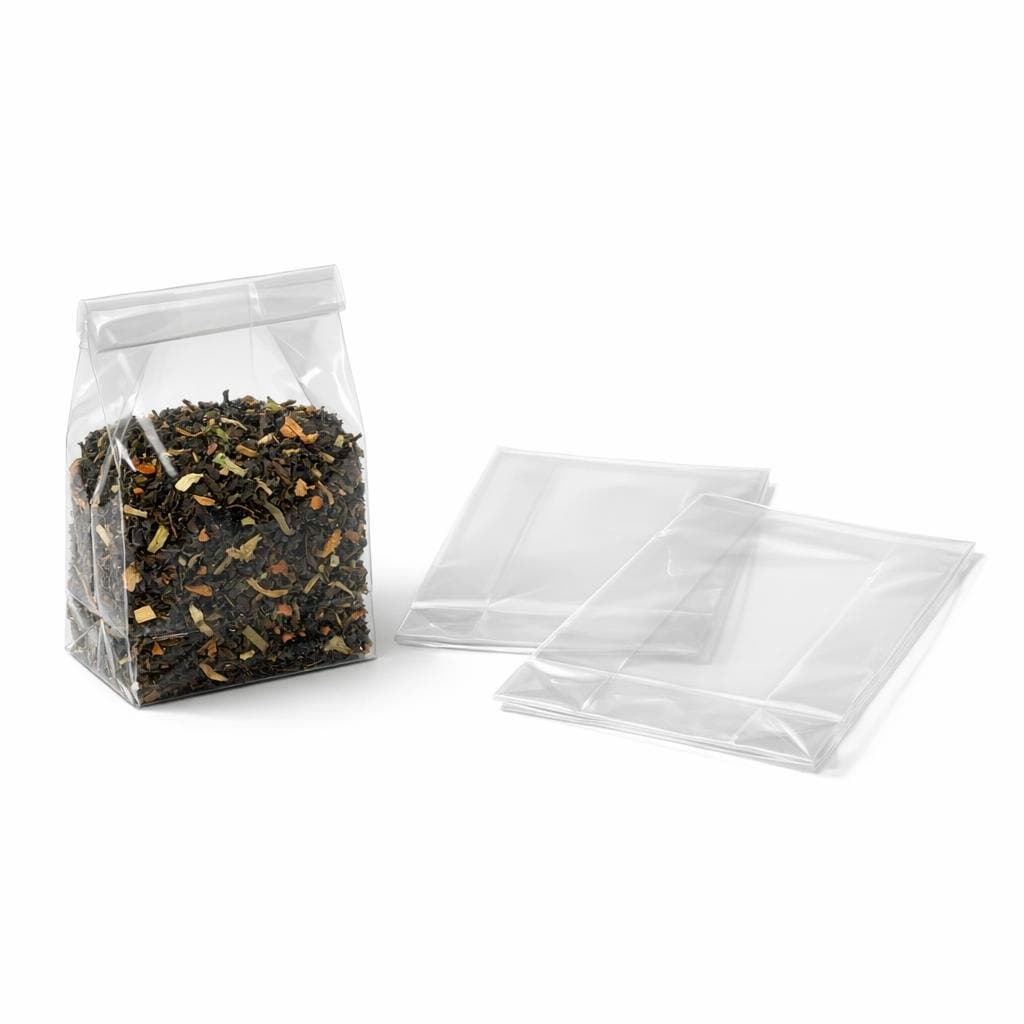
Cellulose & glassine
Clear film and translucent paper, both made from wood pulp.
Cellulose film is regenerated from wood pulp into a crystal-clear sheet. Glassine is paper pressed until it turns translucent. Between them they replace clear plastic bags.
- Made from
- Wood pulp from managed forests
- Used for
- Clear bags and garment bags
- After use
- Home compost; glassine can also go in paper recycling
- Home compostable
- Industrially compostable
- Kerbside recyclable
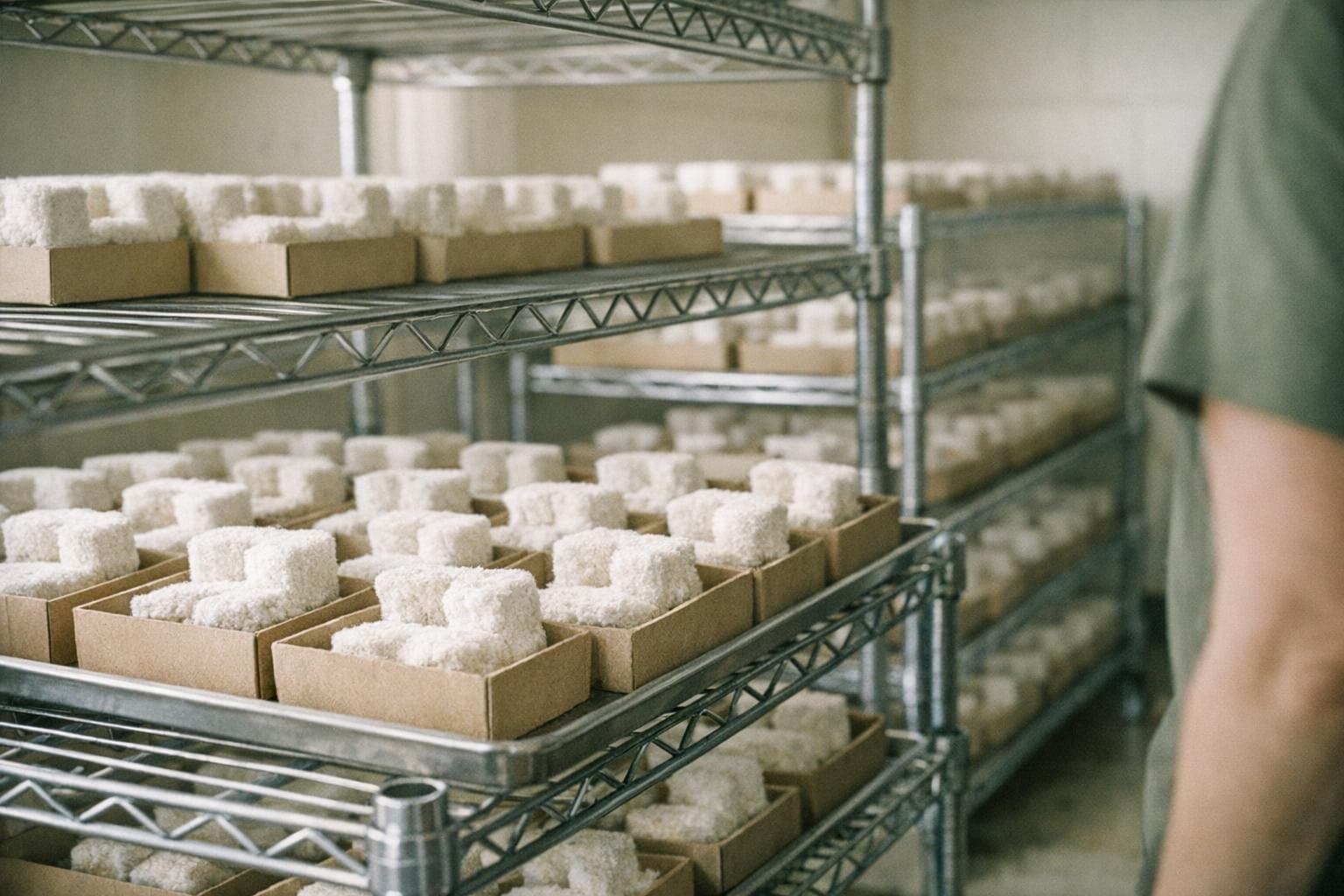
Some of it is grown to order
Mycelium protectors take about a week to grow in their moulds, then they're dried so they stop. That's why they're made to order, and why we can grow a custom shape for your product from a one-off mould.